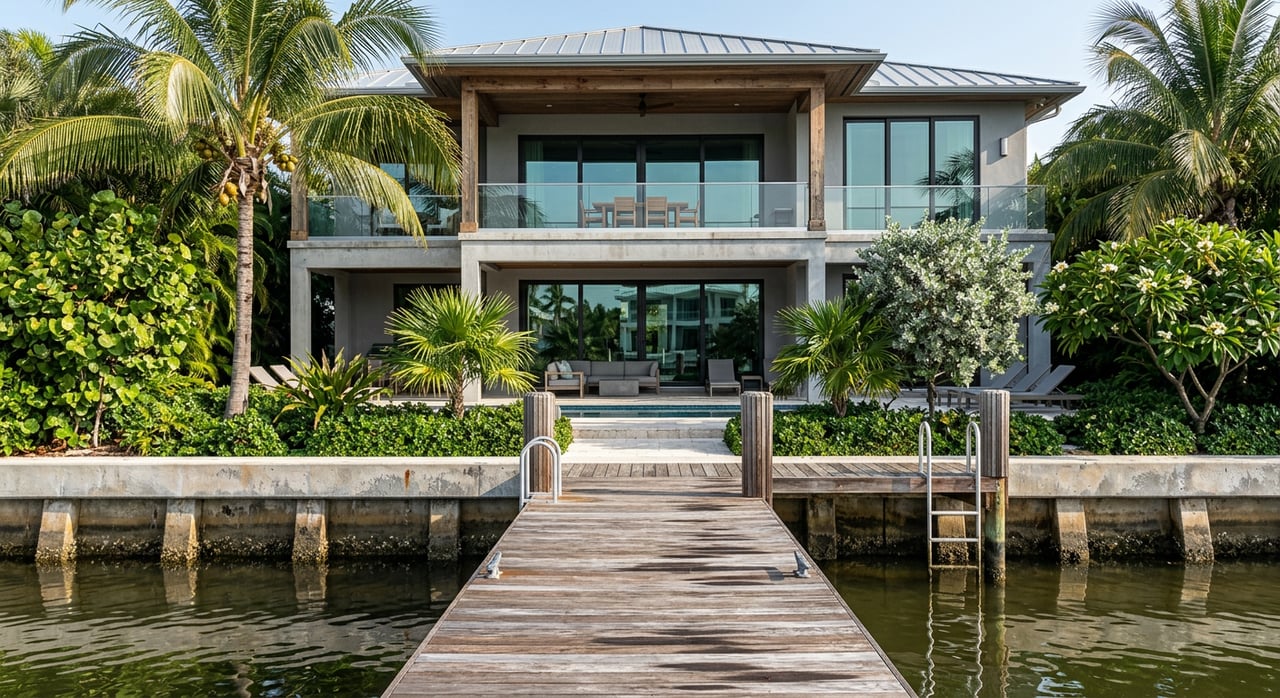
Picture this: coffee in hand, you step onto your dock and cast off for Sombrero Reef in minutes. If you are shopping Marathon waterfront homes in 33050, you have great options, but each setting comes with different boating access, upkeep, and permitting realities. The good news is you can match your lifestyle to the right shoreline once you know how canal-front, bayfront, and oceanfront properties really compare.
Below, you will learn what each waterfront type offers, what to verify for your boat and dock, the rules that matter, and a smart checklist to take to showings. Let’s dive in.
What “waterfront” means in Marathon
Waterfront in Marathon usually means one of three profiles. Each is common throughout 33050 and connects to the Middle Keys boating network in a different way.
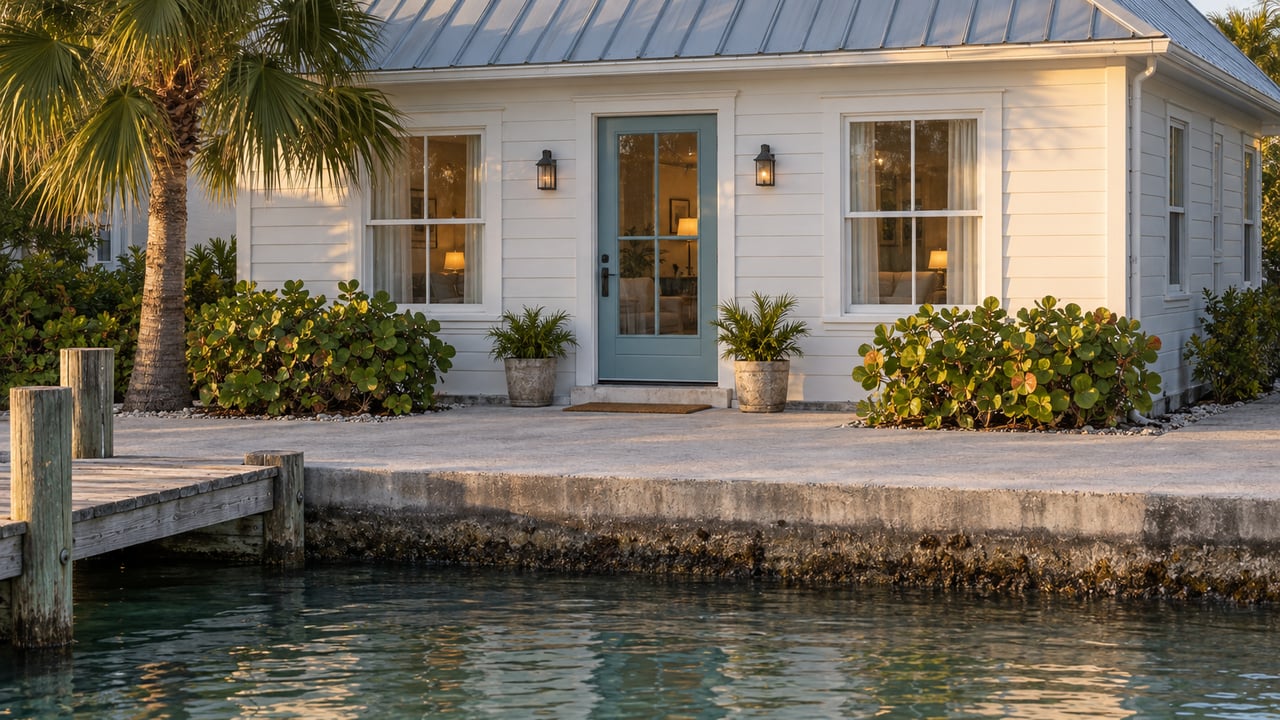
Canal-front. Homes line dredged or natural canals with seawalls and private docks. These canals feed into protected channels, the bay side, or the ocean side through the Intracoastal and Hawk Channel corridors. The City of Marathon’s marina pages map out local ramps and harbor access points that serve many of these neighborhoods. You can review public ramp locations on the city’s site for context on nearby access points and services at City of Marathon public boat ramps.
Bayfront/harbor. These homes face sheltered waters, such as Boot Key Harbor or the Gulf side. You get calmer conditions, easy access to moorings and marinas, and a central hub for services. Boot Key Harbor is a well-protected anchorage used by local and visiting boaters, with a mooring field and marina amenities described in the Boot Key Harbor Cruiser’s Guide.
Open-ocean. Oceanfront parcels face the Atlantic and Hawk Channel for fast runs to offshore reefs and blue water. Expect bigger views and quicker access to Sombrero Reef and nearby reef lines. These waters are part of the Florida Keys National Marine Sanctuary, which manages Sanctuary Preservation Areas and mooring programs highlighted in NOAA’s Restoration Blueprint overview.
Boating and access: how each option works
Your boat’s size and draft, your typical routes, and the kind of days you enjoy on the water should guide your choice.
Canal-front: protected and practical
Canal homes shine if you want calm water at your dock and easy daily use. Many Marathon canals accommodate small to medium boats, including center consoles and walk-arounds. Controlling depths vary by neighborhood and tidal cycle. The U.S. Coast Pilot notes controlling depths of about 7 feet for some channels into Boot Key Harbor and describes other local approaches. For any address, confirm actual depth from NOAA charts and the harbormaster, and consider a marine surveyor’s opinion. You can reference channel notes in the U.S. Coast Pilot for the Florida Keys.
What you gain: lower exposure to swell, simpler boarding, and good in-town connectivity. What to watch: shoaling in narrow channels, variable depths between your dock and open water, and routine seawall and dock maintenance.
Bayfront/harbor: services and shelter
Bayfront and harbor properties offer very sheltered water, which is helpful if you plan to keep a boat in the water for longer periods. You are also closer to marinas, fuel, and pumpout services. Boot Key Harbor’s mooring field and municipal services, outlined in the Boot Key Harbor Cruiser’s Guide, show how convenient harbor life can be.
What you gain: smooth conditions, strong support services, and predictable access even when the ocean is sporty. What to watch: a longer ride to offshore reefs, channel rules, and the need to verify controlling depths for your draft via the U.S. Coast Pilot.
Oceanfront: shortest run to the reef
If your perfect day starts with lines in the water on the reef within minutes, oceanfront delivers. You will enjoy immediate access to Hawk Channel and quick runs to Sombrero Reef and other iconic sites. These same locations sit within protected zones of the Florida Keys National Marine Sanctuary, where anchoring is restricted and mooring buoys are emphasized. NOAA’s Restoration Blueprint and the Sanctuary’s permits and rules portal are essential planning resources.
What you gain: fast offshore access and panoramic views. What to watch: more exposure to wind, swell, and surge, plus higher structural demands on docks and seawalls. Plan for robust design and strictly follow sanctuary rules offshore.
Lifestyle trade-offs at a glance
Use these quick comparisons to align the shoreline with how you live and boat.
Canal-front
- Benefits: calm water at your dock, easy daily use, in-town access to ramps and services. Review local access points on the City of Marathon marina pages.
- Limitations: depths vary by canal, narrow channels can shoal, and you will plan for seawall and dock upkeep.
Bayfront/harbor
- Benefits: strong shelter, mooring and marina options, and proximity to community facilities. Boot Key Harbor is a prime example with a dedicated mooring field.
- Limitations: typically a longer run to the reef, plus harbor rules and controlling depths to verify.
Oceanfront
- Benefits: the fastest route to offshore fishing and snorkeling, with immediate access to Hawk Channel.
- Limitations: more exposure to weather and surge, higher dock and seawall demands, and sanctuary anchoring rules to follow.
Permits and rules to check early
Waterfront improvements in the Keys often involve several agencies. Get clarity up front so your plans stay on track.
Docks, seawalls, dredge and fill. Many projects require local and state review, and often a U.S. Army Corps of Engineers notification or permit. Even routine maintenance can trigger review depending on scope and location. Start with the USACE regulatory overview at Obtain a Permit, and ask for existing as-built plans and permits during due diligence.
State submerged lands and mangroves. Florida DEP and delegated local governments regulate mangrove trimming and work that affects submerged lands. Rules vary by site conditions and can impact timeline and cost. Get familiar with DEP resources and local delegation at the FDEP A–Z index.
Local building rights and TBRs. In the Keys, building allocations and Transferable Building Rights are specific and structured. Confirm whether a lot has an existing allocation or if a TBR is required, and how transfers work. The City of Marathon outlines criteria in a council ordinance, which you can review in the TBR ordinance document.
Sanctuary protections offshore. If you plan to anchor near reefs or conduct activities that could affect seagrass or corals, study the Florida Keys National Marine Sanctuary maps and permits guidance. Many Sanctuary Preservation Areas prohibit anchoring and rely on mooring buoys. Start with NOAA’s permits and rules portal.
Maintenance and insurance: plan for coastal reality
Owning on the water is rewarding, and it comes with predictable care and risk planning.
Routine coastal upkeep. Expect periodic seawall and dock inspections, pile and hardware replacement, boatlift maintenance, and storm-related repair planning. If dredging has occurred or may be needed, be aware that maintenance dredging usually requires permits, often including USACE review as described at Obtain a Permit.
Marina and pumpout support. Marathon’s harbor system and marinas provide pumpout and guest services that make boating life easier, especially for frequent users and visiting craft. For a practical overview, see the Boot Key Harbor Cruiser’s Guide and cross-reference city marina information.
Flood and property insurance. Most of Marathon lies in coastal flood zones, and lenders commonly require flood insurance. Begin with an address-specific FEMA Flood Insurance Rate Map from the FEMA Flood Map Service Center. Ask for Elevation Certificates, check whether Letters of Map Amendment or Revision exist, and obtain early quotes for wind and flood coverage from brokers experienced in Monroe County.
How to choose: three buyer scenarios
Fastest path to reefs and blue water. If your top priority is short runs to reef lines and offshore sites, oceanfront fits best. Plan for more exposure, stronger dock and seawall design, and strict adherence to sanctuary rules and mooring requirements. NOAA’s Restoration Blueprint provides helpful context on SPAs and moorings.
Calm water and easy daily use. If you value shelter for boarding, swimming, and frequent use, canal-front or bayfront is often ideal. Verify channel depths and confirm the status of dock and seawall permits through city and state records, and reference local access points on the City of Marathon marina pages.
A balanced middle ground. If you want quick access to harbor services with reasonable runs to the reef, consider properties near protected harbors like Boot Key or those with direct, charted access through deeper cuts. Always confirm controlling depths along your path using the U.S. Coast Pilot and current NOAA charts, and check mooring availability.
A smart due-diligence checklist
Bring these items to each showing and request documentation early in negotiations:
- Dock and seawall as-builts, plus all permits for docks, seawalls, and any dredge or fill. If dredging occurred or is planned, confirm whether USACE review applied. Start with the Corps resource at Obtain a Permit.
- Controlling depth from the property to the nearest open channel, including lowest reported depth and tidal variability. Cross-check with the U.S. Coast Pilot and recent local soundings when available.
- Ownership or lease status of bay bottom under the dock, and whether any deeded slips or rights convey. Confirm through city and county records.
- Recent seawall and dock inspections, repair history, and estimated remaining life. Verify that any recent work was permitted.
- FEMA Flood Insurance Rate Map panel, Elevation Certificate, and any LOMA or LOMR. Pull the current FIRM at the FEMA Flood Map Service Center and obtain early flood and wind quotes.
- Whether the lot holds an active building allocation or requires a Transferable Building Right. Review the city’s framework in the TBR ordinance document.
- Sanctuary zones, SPA boundaries, and mooring requirements near your typical offshore destinations. Review NOAA’s permits and rules portal.
- Availability and terms for marina slips, moorings, and nearby public ramps that support your boating routine. See the City of Marathon public ramps.
Ready to match your Keys lifestyle with the right shoreline? Whether you want reef runs at sunrise or a sheltered harbor retreat, thoughtful due diligence will lead you to a home that fits how you live and boat.
If you want a curated shortlist, local insight on canal depths and permits, or a discreet consultation on building rights and insurance steps, connect with Ocean SIR. Our team pairs deep Marathon expertise with global reach to help you choose with confidence.
FAQs
What is the key difference between canal-front and bayfront homes in Marathon?
- Canal-front homes line dredged or natural canals with private docks, while bayfront homes face sheltered waters like Boot Key Harbor with closer access to moorings and marina services.
How do I confirm if my boat will fit a specific canal in 33050?
- Verify the controlling depth from the dock to open water using NOAA charts and the U.S. Coast Pilot, then confirm details with the local harbormaster or a marine surveyor.
Do I need permits to repair or replace a seawall or dock?
- Often yes; shoreline work can require local and state approvals and, in many cases, U.S. Army Corps of Engineers review as outlined at Obtain a Permit.
How do sanctuary rules affect oceanfront boating near Sombrero Reef?
- Many Sanctuary Preservation Areas restrict anchoring and direct you to use mooring buoys; review NOAA’s guidance in the Restoration Blueprint and the permits and rules portal.
What insurance steps should I take when buying a Marathon waterfront home?
- Pull the property’s Flood Insurance Rate Map panel and Elevation Certificate, then obtain early flood and wind quotes; start at FEMA’s Flood Map Service Center for official FIRM information.
Where can I find public boat ramps and marina services near 33050?
- The City of Marathon lists public ramps and marina contacts on the marina and ports page, and Boot Key Harbor services are summarized in the local cruiser’s guide.