Wondering whether a historic Key West home or a newer property is the better fit for your life on the island? It is a smart question, because in Key West, this choice is about much more than style alone. Your decision can affect how you live day to day, how much flexibility you have for updates, and how you plan for long-term upkeep in a coastal market. Let’s dive in.
Why this choice matters in Key West
In many places, comparing older and newer homes is fairly straightforward. In Key West, it is different because the city’s historic fabric, preservation rules, and limited new residential growth all shape the market.
Old Town is part of a National Register Historic District, and the city notes that Key West has one of the largest collections of historic wooden structures in the country. At the same time, new residential supply is tightly managed through the city’s Building Permit Allocation System, or BPAS, which is designed to help maintain sustainability and hurricane-evacuation capacity.
That means you are not choosing between endless modern construction and a few charming cottages. More often, you are choosing between historic character and stewardship or more modern function within a limited supply of newer homes.
What defines a historic Key West home
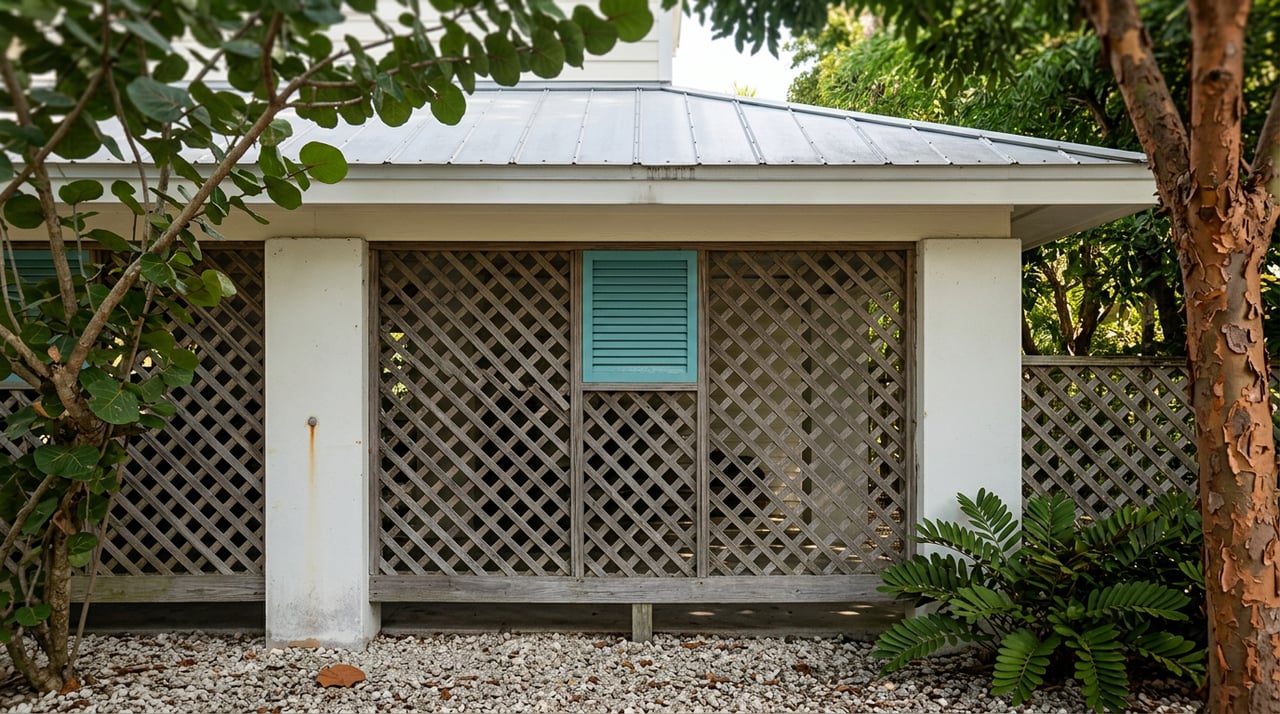
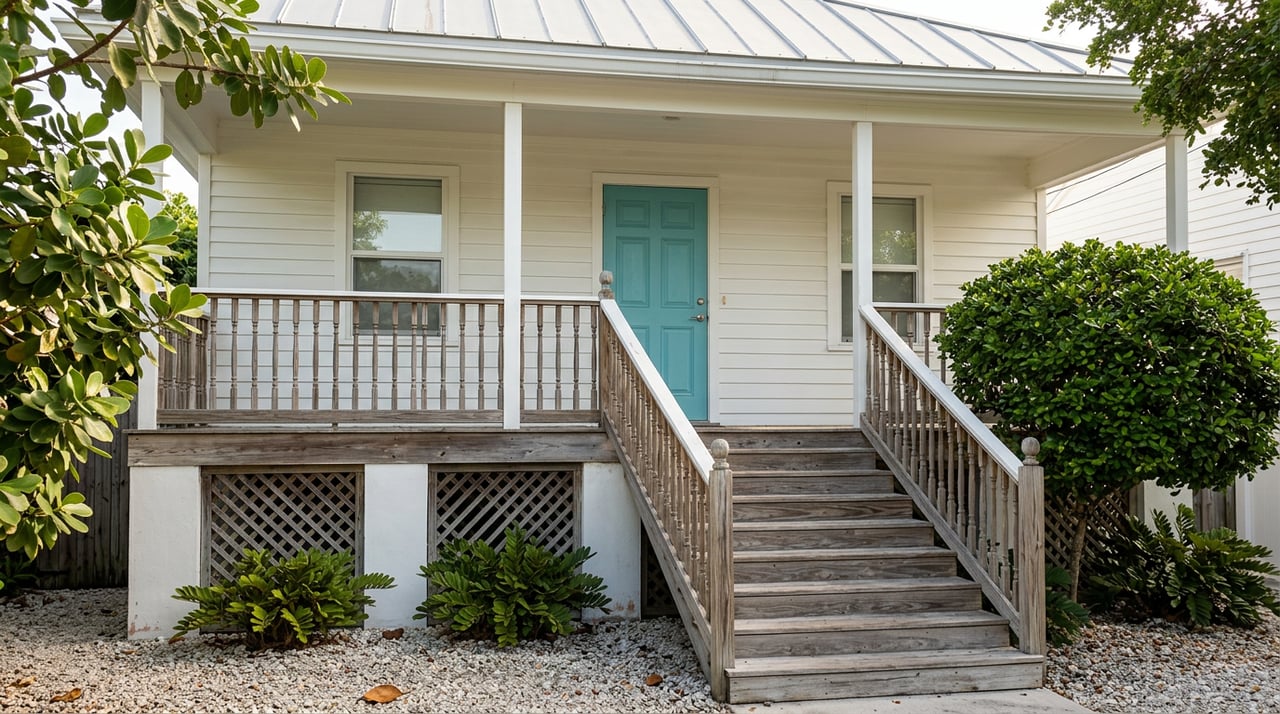
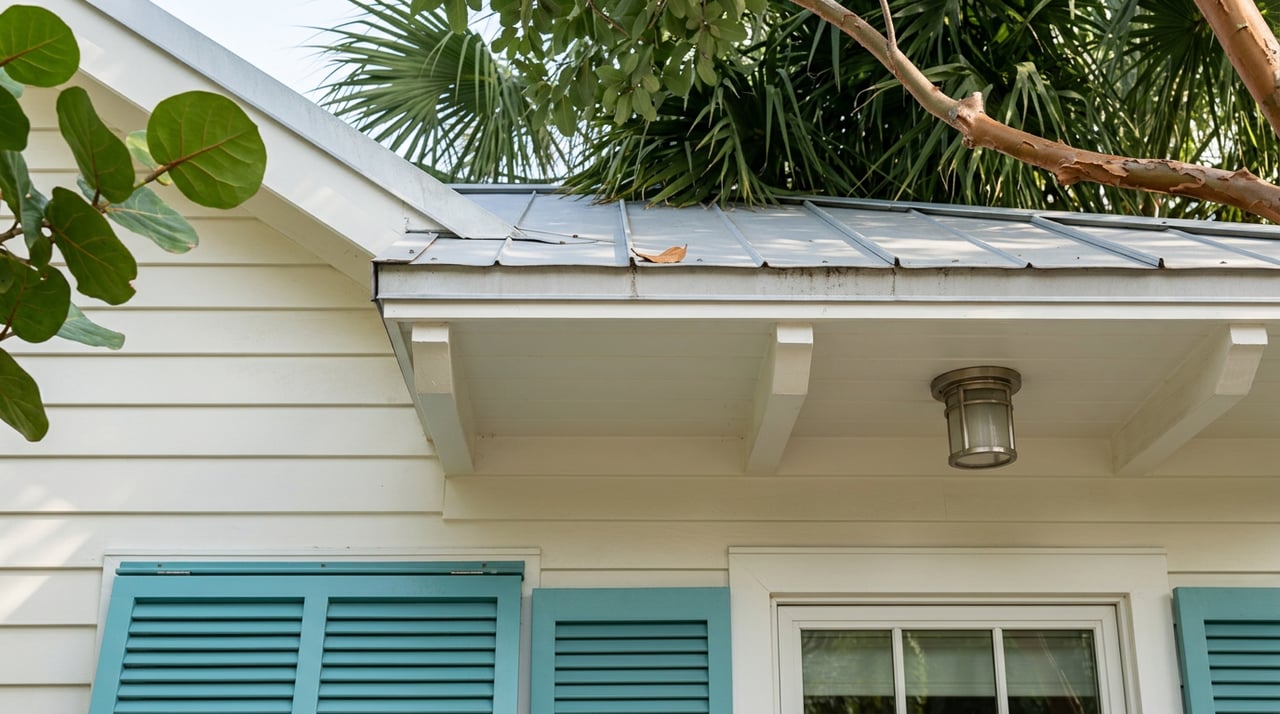
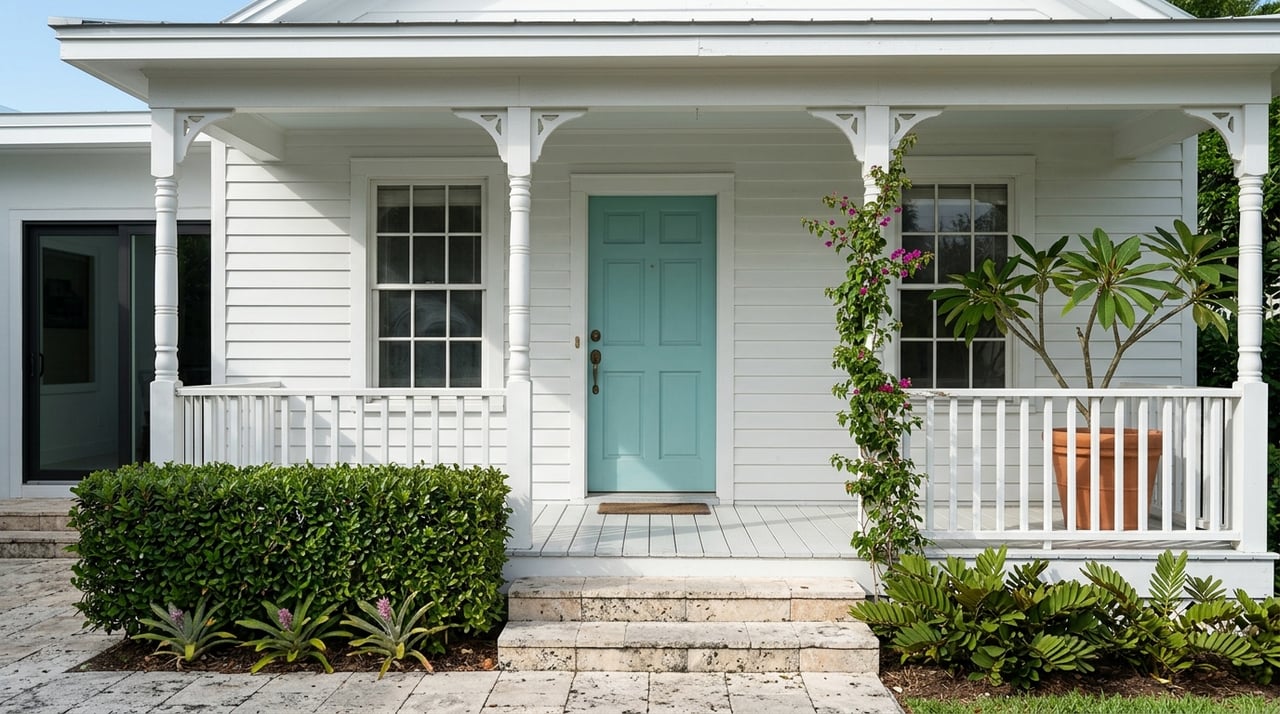
Historic homes in Key West have a look and feel that is closely tied to the island’s climate and building traditions. City architectural guidelines describe many of these homes as wood-clad, raised on piers, and designed with porches, shutters, and other features that support ventilation and tropical living.
You may also come across classic forms such as eyebrow houses and Bahama houses. These homes were shaped around breezes, shade, and outdoor living, which helps explain why they feel so distinct from more conventional homes in other markets.
Inside, historic homes can feel more layered and less predictable. Based on the city’s architectural descriptions, some have narrower floor plans, smaller rooms, porches integrated into daily living, and additions made over time that create a more compartmentalized layout.
Historic homes often offer
- Strong architectural character
- A close connection to Key West’s history and streetscape
- Porch-oriented living and climate-adapted design
- Walkable settings near major Old Town destinations
Historic homes may also require
- More ongoing exterior maintenance
- Closer attention to materials and repair methods
- More patience when planning exterior changes
- Careful review of floodplain and elevation issues
What newer homes often bring to the table
Newer homes in Key West usually appeal to buyers who want a more familiar layout and fewer preservation-related constraints. The city’s design guidance points to areas such as Casa Marina as having more modern homes on larger plots than the small-scale pattern common in Old Town.
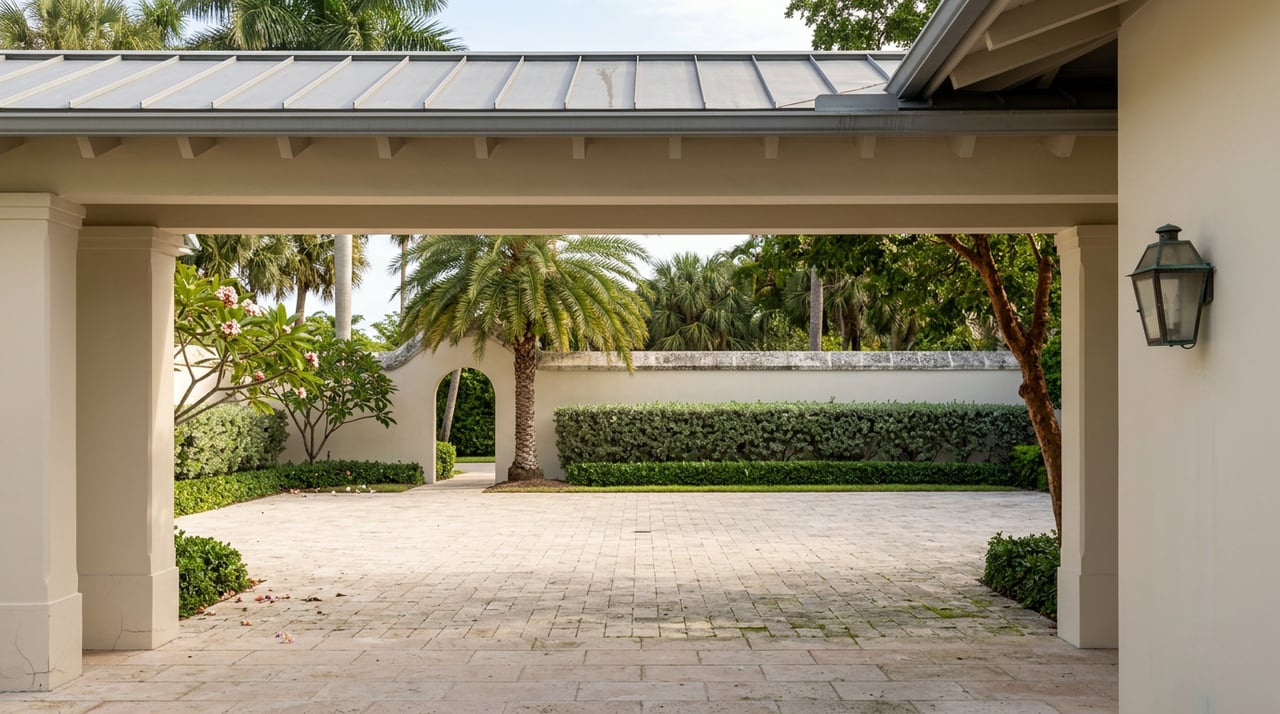
In practical terms, that can mean more conventional room flow, more space for parking or driveways, and an ownership experience that is typically less shaped by historic review. That said, newer homes are still part of a limited category in Key West, not a broad new-construction pipeline.
Because BPAS regulates new residential growth, truly new construction remains constrained. In many cases, buyers are comparing historic homes with later-era homes, renovated properties, or smaller infill opportunities rather than brand-new inventory at scale.
Newer homes often appeal to buyers who want
- More conventional layouts
- Larger lots in some areas
- Easier parking configurations
- Greater flexibility for future exterior changes
Lifestyle differences: charm versus convenience
One of the clearest tradeoffs is how you want to live every day. Historic homes in Old Town often place you in a more pedestrian-oriented setting, with small lanes, slow-traffic streets, and homes close to restaurants, the waterfront, Duval Street, and Mallory Square.
That setting can feel immersive and deeply connected to Key West’s sense of place. It can also mean narrower drives, limited on-site parking, or no parking at all.
Newer homes often support a more conventional daily rhythm. If you value easier vehicle access, more predictable floor plans, or a layout that needs fewer compromises, a newer home may align better with your priorities.
The real question is not which option is objectively better. It is whether you want your home to deliver historic atmosphere and walkability or greater ease and flexibility in daily use.
Historic ownership means more stewardship
If you are drawn to a historic home, it helps to think like a steward as much as a buyer. In Key West’s historic district, exterior work requires a Certificate of Appropriateness, or COA, for projects including painting, repair, alteration, remodeling, landscaping, fences, decks, signs, and demolition.
The city says about 95% of COA applications are approved at the staff level, but larger or noncompliant projects may go to HARC for review. That does not mean historic ownership is unworkable. It does mean changes to the exterior usually require more planning, documentation, and care.
The city’s guidelines also make clear that repairs should respect original design and materials. For example, porch enclosures on visible elevations are generally discouraged, and reconstruction work is expected to match original size and appearance where appropriate.
This is one reason historic homes can carry a different maintenance profile. Wood, porches, exposed elevations, and traditional under-floor details all require attention in a humid, coastal environment.
Floodplain and elevation issues matter for both
Whether you buy historic or newer, flood risk should be part of your decision-making in Key West. The city states that the island is exposed to coastal and shallow flooding and storm surge, and that most buildings and lots are in A zones, while shoreline properties are often in V zones.
The city also notes that new or substantially improved buildings generally must be elevated to at least base flood elevation plus 1 foot. Flood insurance costs vary based on coverage and property risk, so this is not a detail to leave until late in the process.
Historic properties add another layer. The city says only historically contributing structures meet FEMA standards for historic building exemptions, and even then, machinery and utilities are not exempt from elevation requirements.
Large sections of historic Old Town have also experienced frequent flooding historically. Even if a specific property has not flooded, it is wise to review flood maps, drainage history, elevation documentation, and insurance implications before moving forward.
How future plans can shape your choice
A home that works for you today should also support your plans for tomorrow. If you expect to update the exterior, expand the footprint, or rework outdoor spaces over time, the difference between historic and newer homes can become especially important.
Newer homes are often easier to adapt because they are less likely to fall under historic-district review. Still, Key West is not a low-regulation environment. The city requires permits for work over $1,000, and as of January 1, 2025, incomplete permit applications are no longer accepted.
For historic homes, future changes may involve both permitting and design review. If preserving a home’s original fabric feels meaningful to you, that may be part of the appeal. If you want broader freedom to change the exterior, a newer property may offer a better fit.
A simple framework for choosing
If you are deciding between historic and newer homes in Key West, start with your daily priorities rather than the home’s age alone.
A historic home may fit best if you value
- Architectural character and original details
- Porch life and climate-adapted design
- A walkable Old Town setting
- The experience of owning a home with a strong sense of place
- A hands-on approach to maintenance and preservation
A newer home may fit best if you value
- More open or conventional layouts
- Larger lots in some locations
- Easier parking and circulation
- Fewer historic-preservation constraints
- Greater flexibility for future exterior updates
Due diligence questions to ask before you buy
No matter which direction you lean, ask clear questions early. In Key West, the right due diligence can save you time, money, and frustration later.
Ask about historic status
Find out whether the property is inside the historic district and whether it is considered a historic or contributing structure. That can affect exterior approvals, repair expectations, and flood-related exemption questions.
Ask about flood zone and elevation
Review the property’s flood zone and ask whether an elevation certificate is available. This is especially important in a coastal market where flood risk, insurance cost, and improvement requirements can vary from one property to another.
Ask about permits and future changes
If you plan to renovate, expand, or make exterior updates, ask how permits, BPAS, or historic review could affect timing and scope. A home that seems flexible at first glance may come with more process than expected.
Ask whether the layout truly fits your lifestyle
Look beyond photos and finishes. Think about parking, room flow, storage, outdoor access, and how you actually want to live in the home throughout the year.
The Key West answer is about fit
In Key West, choosing between a historic home and a newer one is rarely just an old-versus-new decision. It is a lifestyle and stewardship choice shaped by preservation rules, limited supply, floodplain realities, and the kind of ownership experience you want.
Historic homes often offer unmatched character, walkability, and connection to place. Newer homes often offer easier function, more conventional layouts, and fewer preservation-related constraints.
If you want help evaluating how a specific Key West property aligns with your goals, the team at Ocean SIR can guide you through the details with local insight and a thoughtful, concierge-level approach.
FAQs
What is the main difference between historic and newer homes in Key West?
- Historic homes usually offer more architectural character and a stronger connection to Old Town, while newer homes often offer more conventional layouts, easier parking, and fewer historic-review constraints.
Do historic homes in Key West require special approval for exterior changes?
- Yes. In the historic district, many types of exterior work require a Certificate of Appropriateness, including painting, repairs, remodeling, landscaping, fences, decks, and demolition.
Are newer homes easier to renovate in Key West?
- Often, yes. Newer homes are generally less likely to trigger historic-district review, but permits are still required for qualifying work, and the city maintains a structured permitting process.
Why is new construction limited in Key West?
- The city regulates new residential growth through BPAS, which is intended to help maintain sustainability and hurricane-evacuation capacity.
Do flood risks affect both historic and newer Key West homes?
- Yes. Key West is exposed to coastal and shallow flooding and storm surge, so flood zones, elevation, drainage history, and insurance should be reviewed for any property type.
What should buyers ask before choosing a home in Key West?
- Ask whether the property is in the historic district, whether it is a contributing structure, what flood zone it is in, whether an elevation certificate is available, and how permits or future changes may be affected by local rules.