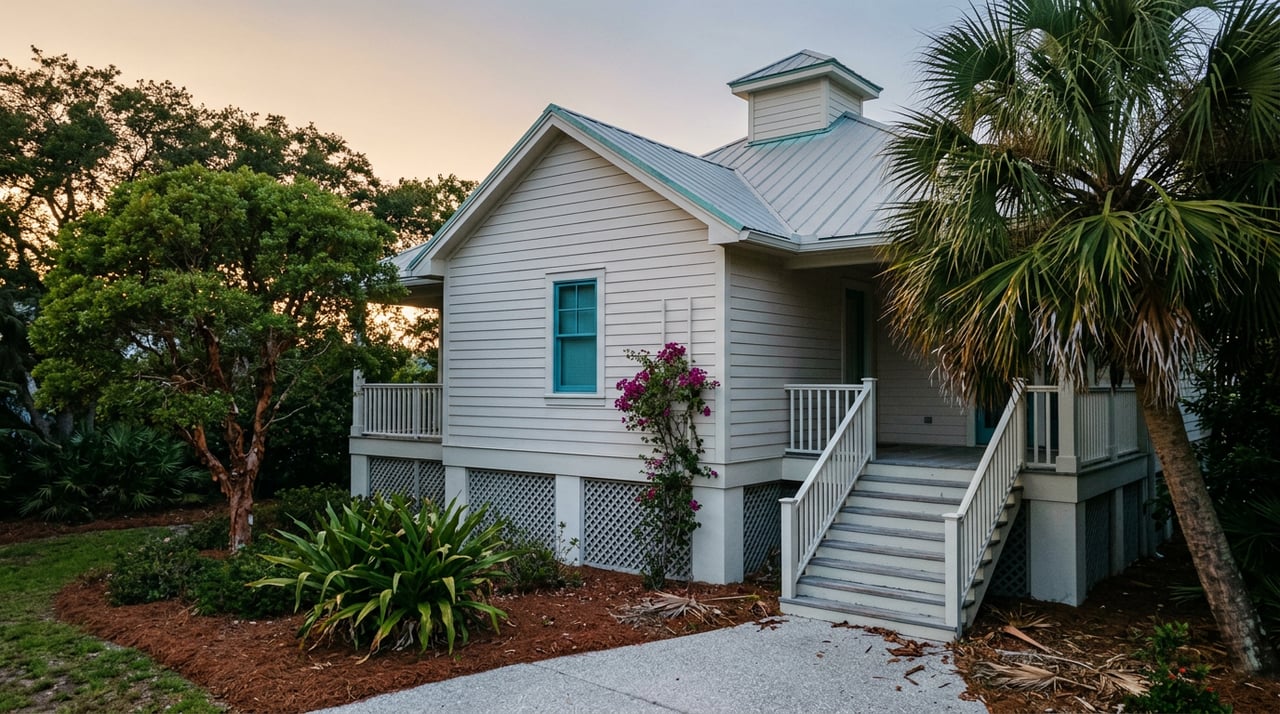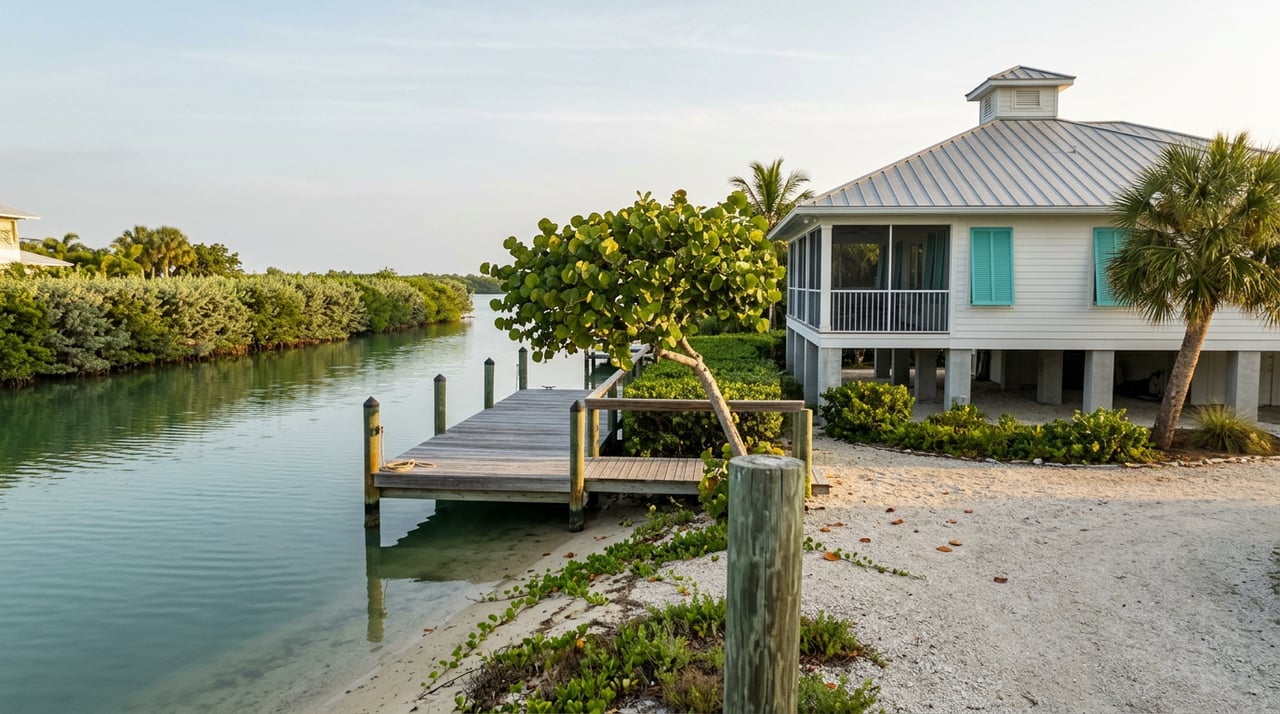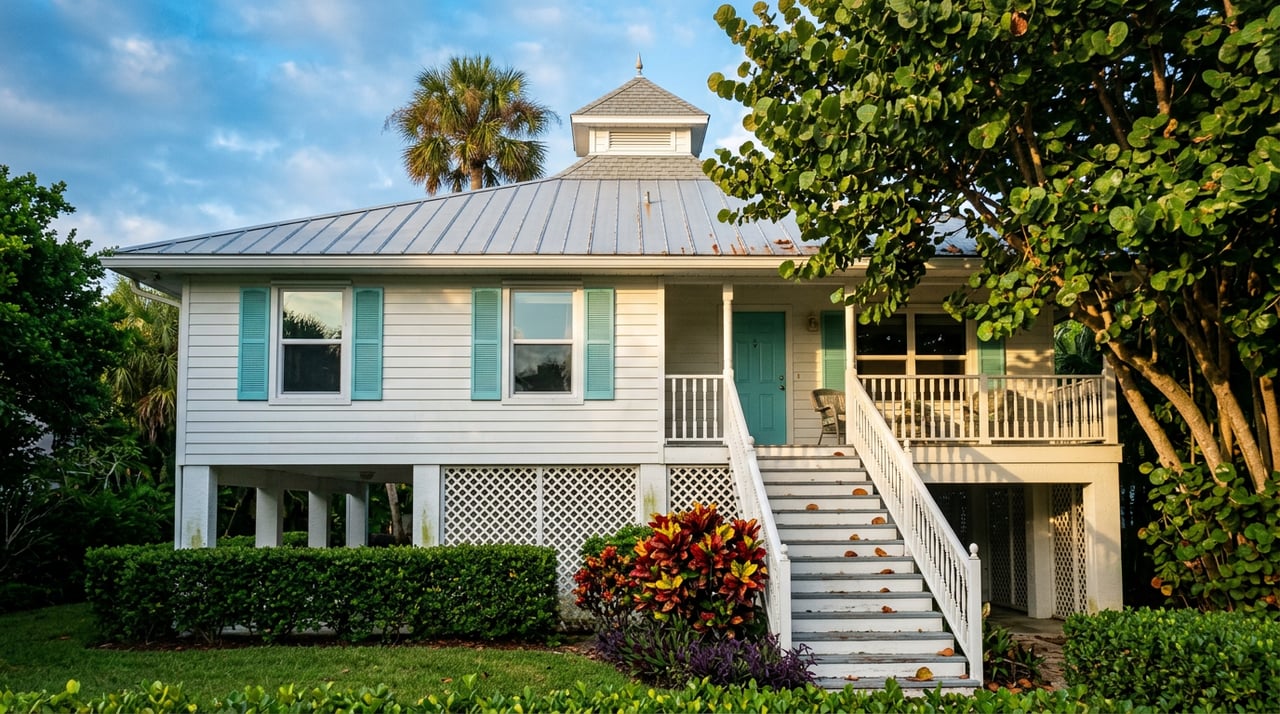
Dreaming about a place where you can spend time on the water and offset ownership costs when you are away? In Key Largo, that idea can be appealing, but it also comes with rules, permits, taxes, and weather risks that deserve careful attention. If you are considering a vacation rental property here, you need more than a beautiful home and a rental app. You need a clear view of how this market actually works. Let’s dive in.
Why Key Largo attracts vacation-rental buyers
Key Largo stands out as a lifestyle-driven destination with strong appeal for buyers who want both personal use and rental potential. Monroe County tourism materials highlight diving, snorkeling, boating, fishing, eco-tours, beaches, dolphin encounters, and access to John Pennekamp Coral Reef State Park. The area is also known for its proximity to Everglades National Park and the only living coral barrier reef in the continental United States.
That matters because travelers are not just booking a place to sleep. They are coming for a specific water-focused experience. If you buy here, your property is part of that broader lifestyle offering, which can support demand from guests looking for a memorable Keys stay.
What demand looks like in Key Largo
The 2024 Monroe County visitor profile shows a mostly domestic visitor base. According to the report, 94% of visitors came from the United States, 19% came from Florida, and the average household income was $109,318. The average visitor age was 42.6, and 56% had visited the Keys within the past three years.
This is useful for buyers because it points to a repeat-visitor market, not just one-time tourism. It also suggests that many travelers already know what they want from a Keys trip and may compare listings carefully before booking.
Short stays shape the business
Key Largo is not primarily a week-long stay market. The visitor profile found that the average stay in Key Largo was 2.3 nights, with 79.4% of stays lasting 1 to 3 nights. Another 16.9% lasted 4 to 7 nights, and only 3.6% were 8 nights or more.
For you as an owner, that usually means more frequent turnovers and tighter scheduling. Cleaning, restocking, check-in coordination, and calendar management can all be more demanding in a market built around shorter visits.
Vacation rentals compete with hotels
Vacation rentals are part of the local lodging mix, but they do not dominate it. In the 2024 visitor survey, 15.9% of stays were in seasonal or vacation rentals, while 61.9% were in hotels, motels, and resorts.
That tells you two things. First, there is real vacation-rental demand in Key Largo. Second, your property will compete with traditional lodging, so presentation, convenience, and guest experience matter.
Seasonality and climate matter
Before you buy, it helps to understand the seasonal rhythm of the Florida Keys. NOAA identifies a dry season from December through April and a wet season from June through October. The Keys tourism weather guidance also notes that hurricane season runs from June 1 through November 30.
In practical terms, many buyers view winter as the more favorable operating window, while late summer and early fall can bring more weather-related risk. If you are underwriting a purchase, it is smart to account for possible disruptions, not just peak-season appeal.
Check zoning before anything else
In unincorporated Monroe County, not every property can be used as a vacation rental. This is one of the most important facts to confirm before you close. The county states that vacation rentals are unlawful in Improved Subdivision, Urban Residential Mobile Home, and Improved Subdivision Masonry districts.
The county also states that vacation rentals may be allowed in SR, MU, UR, IS-V, and OS districts with a Special Vacation Rental Permit. County guidance also says advertising must reflect a 28-day minimum stay and monthly rental rates. That means you should verify the parcel, zoning designation, and use rules for the exact property you are considering rather than assuming a nearby home sets the standard.
Understand permits and licensing
If a property is eligible, Monroe County requires an annual special vacation rental permit for each dwelling unit. The county also requires a fire and life safety inspection and a special vacation rental manager license.
The county lists an initial permit fee of $490 and a renewal fee of $100. Inspection fees vary by bedroom count, and the permit is nontransferable, so a change in ownership requires a new permit. For buyers, that means permit status should be part of your due diligence, but it should not be treated as something that automatically transfers at closing.
Budget for taxes the right way
A vacation rental purchase is not just about the sales price and expected nightly rate. Monroe County Tax Collector states that a local business tax receipt is required for rental accommodations on a daily, weekly, monthly, or yearly basis. County rental guidance also notes that rentals of less than 30 days or one month should also have a local business tax receipt, a tourist development tax account, a Florida Department of Revenue sales-and-use tax account, and a state DBPR license where applicable.
For transient rentals, Monroe County Tax Collector says the county tourist development tax is 5% of the rental amount and is due monthly. Florida also applies state sales tax plus county discretionary surtax to transient rentals in applicable cases. For you, the key takeaway is simple: model revenue and expenses carefully, and do not confuse gross booking income with net income.
Why supply can feel limited
Monroe County’s land-use framework can shape the long-term character of the market. The county says the Rate of Growth Ordinance was implemented to protect evacuation safety and natural resources.
That does not guarantee future value or performance, but it helps explain why the Keys often feel supply-constrained compared with many mainland vacation destinations. For buyers pursuing a well-located second home with rental potential, that local context is important.
Furnish for short-stay guests
A Key Largo vacation rental usually needs to feel truly turn-key. In a short-stay market, guests often judge a property quickly through photos, reviews, and ease of use. A home that feels only partly prepared for renters can struggle to compete.
Airbnb host guidance identifies core essentials such as toilet paper, soap, one towel and one pillow per guest, and linens for each bed. Beyond those basics, the local demand profile points to the value of clean presentation, durable furnishings, reliable internet, simple self-check-in, and a complete essentials package.
Think function first
Luxury can help, but convenience often matters just as much. Because many guests book online and stay only a few nights, a photo-ready, easy-to-maintain interior can be more effective than a highly personalized second home setup.
If you plan to rent regularly, think in terms of consistency. Durable materials, straightforward layouts, and a polished, welcoming look can support better guest experiences and smoother operations.
Management is not optional in practice
Professional management is especially important in this market. Monroe County states that every vacation rental unit must have a vacation rental manager with a special manager license. County application materials also say the manager must live within and be licensed for the relevant Keys sub-area, be available 24 hours a day, 7 days a week, and respond promptly to complaints.
The county also treats the manager as the designated contact for complaint records and guest registers. For many buyers, especially those purchasing from outside the area, this makes local management less of a convenience and more of an operational necessity.
Plan for flood and storm risk
Storm and flood planning should be part of your buying decision from the start. Monroe County notes that homeowners insurance does not include flood coverage. FEMA states that flood insurance is required for buildings and personal property in high-risk flood areas when the mortgage is from a government-backed lender.
Monroe County also notes that preliminary coastal flood maps may affect development standards and future insurance requirements and costs. In other words, you should evaluate flood exposure, elevation, insurance availability, and likely carrying costs before you commit to a property.
Factor in evacuation realities
Monroe County uses a phased evacuation system, and county emergency guidance explains that visitors are managed through formal emergency information channels and may return only when officials allow re-entry. If a storm affects the area, that can interrupt bookings, delay access, and change your operating timeline.
This is one reason disciplined planning matters so much in Key Largo. The market can be compelling, but ownership works best when you balance lifestyle upside with realistic risk management.
What a smart Key Largo purchase looks like
A well-chosen Key Largo property can serve two goals at once: personal enjoyment and rental income potential. The strongest opportunities tend to be properties that align with local rules, are easy to operate, and are prepared for the realities of short stays, weather risk, and regulated management.
For many buyers, success starts with asking the right questions early. Is the parcel eligible? What permits and licenses are required? How will taxes, insurance, and management affect net returns? When you approach the purchase with that level of care, you put yourself in a much stronger position to enjoy the property and operate it responsibly.
If you are exploring a second home or turnkey vacation property in the Keys, Ocean SIR can help you evaluate opportunities with local insight and a concierge-level approach.
FAQs
Can you use any Key Largo property as a vacation rental?
- No. Monroe County states that not all areas in unincorporated Monroe County allow vacation rentals, so you should confirm zoning and parcel eligibility before closing.
What permits are required for a Key Largo vacation rental?
- Monroe County requires an annual special vacation rental permit for each dwelling unit, along with a fire and life safety inspection and a special vacation rental manager license.
How long do visitors typically stay in Key Largo?
- The 2024 Monroe County visitor profile found an average stay of 2.3 nights, with most visitors staying 1 to 3 nights.
Do Key Largo vacation rentals compete with hotels?
- Yes. The 2024 visitor survey found that hotels, motels, and resorts accounted for 61.9% of stays, while seasonal or vacation rentals accounted for 15.9%.
What taxes should buyers expect for Key Largo vacation rentals?
- Buyers should account for a local business tax receipt and, for transient rentals where applicable, a tourist development tax account, Florida sales-and-use tax account, and other required licensing. Monroe County says the tourist development tax is 5% of the rental amount and is due monthly.
Why is local property management important for Key Largo rentals?
- Monroe County requires each vacation rental unit to have a licensed vacation rental manager who is available 24/7 and able to respond promptly to complaints.
How does weather affect owning a vacation rental in Key Largo?
- The Keys have a dry season from December through April and a wet season from June through October, with hurricane season running from June 1 through November 30, so weather risk should be part of your planning.
What should you look for in a Key Largo vacation rental property?
- Focus on parcel eligibility, permit requirements, management logistics, insurance and flood considerations, and whether the home can function as a fully prepared, guest-ready short-stay property.