Selling a historic Key West home at the luxury level takes more than beautiful photos and a high list price. Buyers in this market are often drawn to story, craftsmanship, and lifestyle, but they also want clarity about preservation rules, approved work, and what ownership really allows. If you want to position your home well, you need a marketing approach that honors its history while speaking clearly to today’s affluent buyer. Let’s dive in.
Why historic Key West homes stand out
A historic home in Key West offers something many luxury properties cannot easily replicate: authenticity. The city treats its historic district as a preservation priority, with guidelines intended to protect the architectural environment and distinctive character of these neighborhoods. That matters in marketing because buyers are not just purchasing square footage. They are often buying a home with a sense of place and architectural identity.
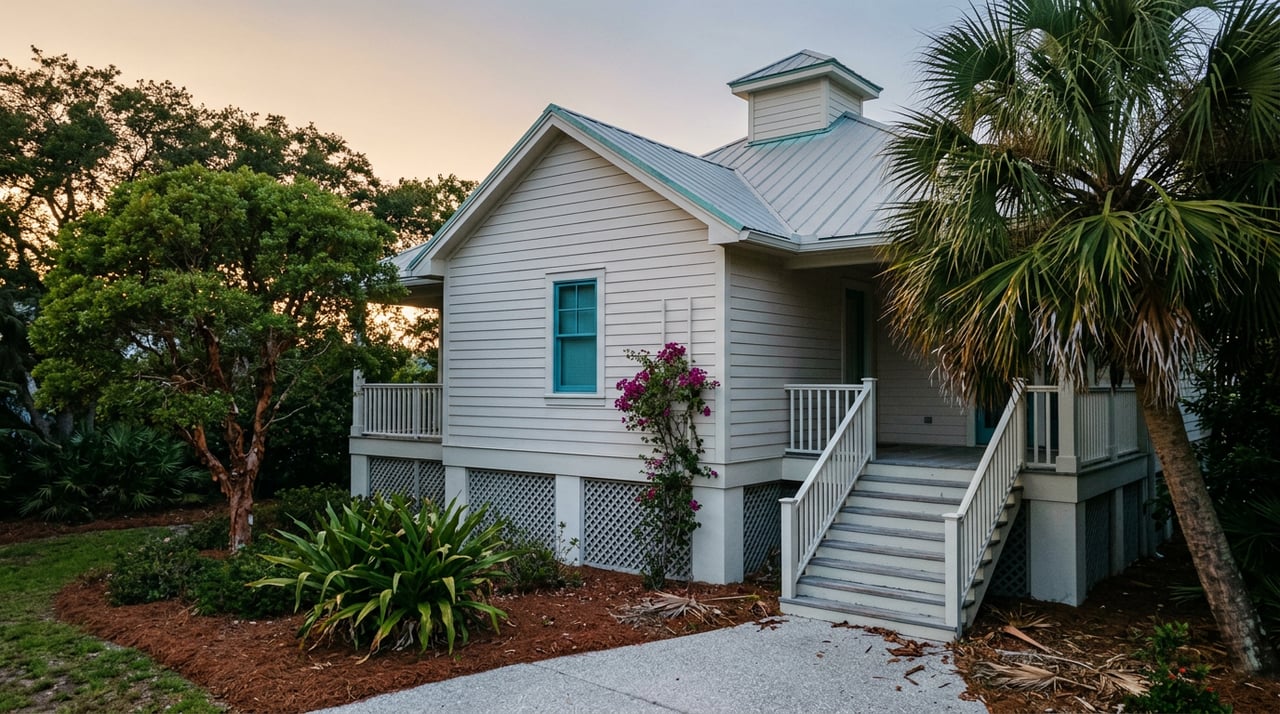
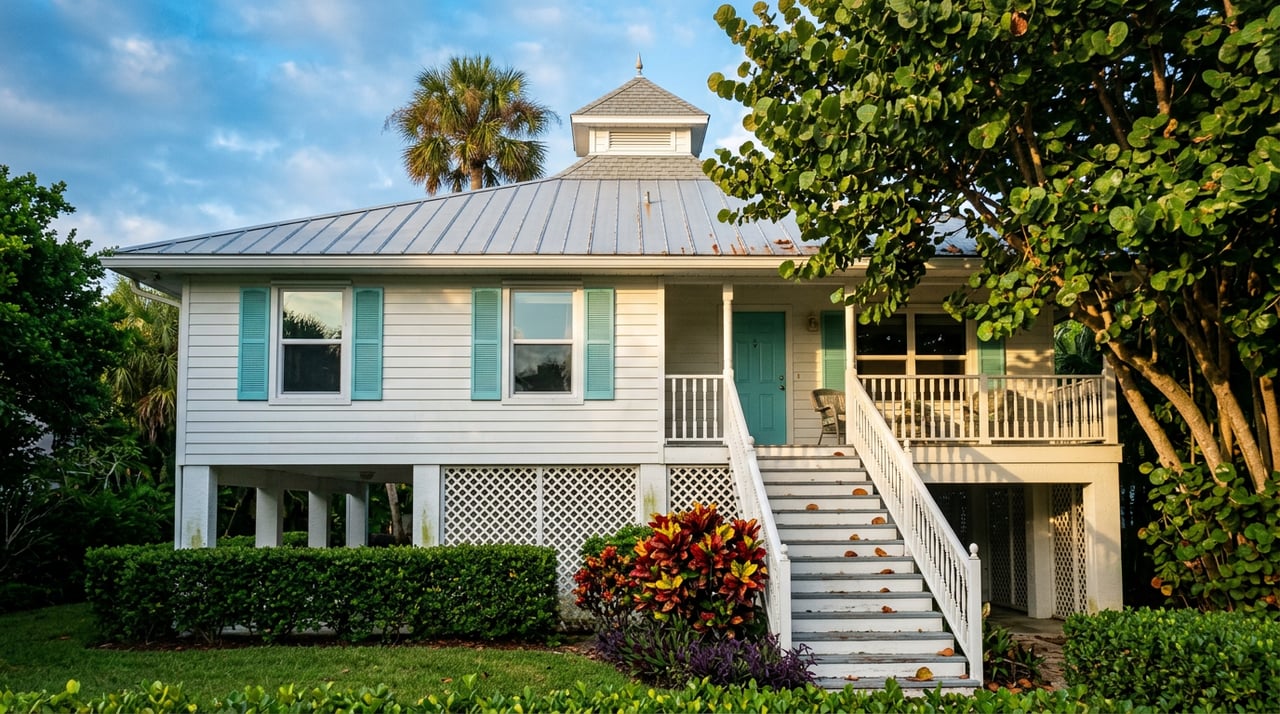
Classic Conch and Bahama houses are especially compelling because their design reflects the local climate and building traditions. Wide porches, shutters, and high-peaked roofs were not added for style alone. They were practical responses to wind, heat, and rainwater collection, and that real function gives these homes lasting appeal.
Market your home with realism
Key West remains a high-value market, but buyers still respond to pricing discipline and strong presentation. Recent market trackers describe the area as balanced to not very competitive, with median sale prices around $1.1 million to $1.2 million, median days on market ranging from 86 to 126, and sale-to-list ratios near 95%. In simple terms, a luxury seller cannot rely on location alone.
That reality makes positioning even more important. Your home needs to be presented as a rare, well-documented asset with clear value. The right pricing strategy, paired with polished storytelling and accurate property details, can help your listing stand out in a market with hundreds of homes for sale.
Lead with provenance and architecture
Luxury buyers shopping for historic homes often want more than a list of rooms and finishes. They want to understand why the property matters. In Key West, that means leading your marketing with the home’s build era, architectural style, restoration history, and any notable provenance that can be documented.
The city’s own preservation materials show how much value is placed on architectural character. Features like wood siding, porches, shutters, trim, columns, balustrades, cornices, and roof form all contribute to the identity of Key West architecture. When these details are original or thoughtfully restored, they should be highlighted in a precise, factual way.
Focus on specific character details
The strongest luxury marketing uses concrete details instead of broad claims. Rather than simply saying a home is charming or unique, describe the elements that give it presence and credibility.
You may want your marketing to call out features such as:
- Original or restored wood construction
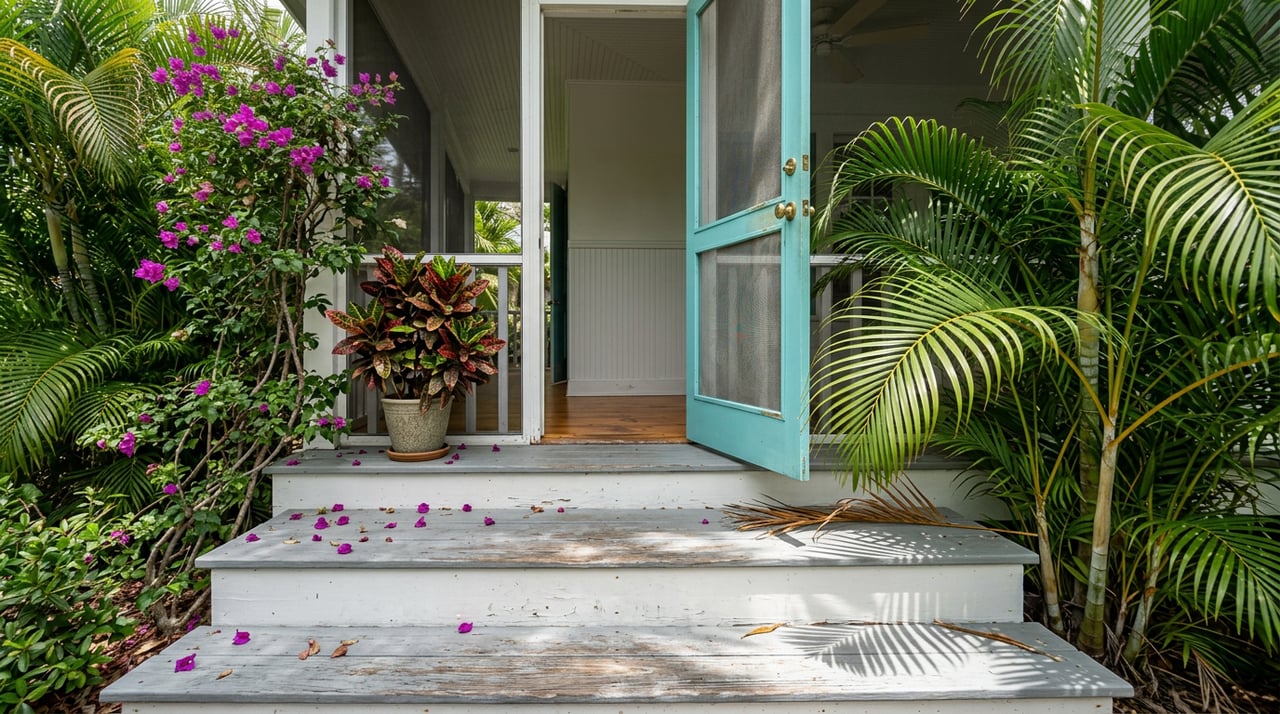
- Deep porches that support indoor-outdoor living
- Historically appropriate shutters
- Distinctive trim, columns, and balustrades
- Rooflines that reflect classic Key West design
- Restoration work that retained defining architectural elements
This kind of language helps buyers picture the home and understand its value. It also signals that the property has been represented with care.
Address preservation rules upfront
In historic Key West, transparency is part of effective luxury marketing. The Historic Architectural Review Commission, or HARC, oversees preservation and conservation of character, integrity, and appearance in the historic districts. The city states that a Certificate of Appropriateness, or COA, is required for new structures and for many types of exterior work, including painting, repair, alteration, remodeling, landscaping, or demolition.
That means sophisticated buyers will often ask detailed questions early. They may want to know what was approved, what was restored, and what future changes could require review. If your home is individually listed, interior changes may also require a COA, so accurate documentation becomes even more important.
Share what has been approved
A strong listing package should clearly organize the home’s history and its regulatory record. This helps reduce uncertainty and shows buyers that the home has been thoughtfully stewarded.
Useful materials may include:
- Records of approved exterior changes
- Documentation of restoration work
- Notes on which features are original, restored, or replaced
- Information on past COAs, if applicable
- Clear descriptions of any areas still subject to review before changes
This is especially valuable for out-of-area and international buyers who may not know how local preservation oversight works. Clear answers build confidence and can help a buyer move forward faster.
Be careful with expansion claims
One of the biggest mistakes in marketing a historic home is implying too much future flexibility. In Key West, the design guidelines make clear that additions should typically be attached to less public elevations and kept lower than the original building height. That is a useful framework, but it is not a blanket promise that any desired expansion will be approved.
For that reason, your marketing should avoid vague claims about redevelopment potential. A better approach is to frame the home as a curated historic asset with a known regulatory envelope. Buyers at this level usually appreciate candor, especially when they are balancing design goals with preservation standards.
Show storm readiness the right way
Historic homes in a coastal market bring practical questions along with romance. Buyers often want to know how the property addresses weather exposure and whether protective features are historically appropriate. In Key West, that can include questions about shutters and storm systems.
The city’s guidelines specifically identify shutters as character-defining features, and they allow code-compliant removable storm systems when protection is needed. That gives sellers a strong way to present a home as both heritage-rich and practical. If your property includes these features, your marketing should explain them in a factual, design-conscious way.
Be precise about rental use
If rental potential is part of the home’s appeal, precision matters. Key West defines transient lodging as a stay of less than 30 days or one calendar month, and the city maintains a 2026 map of transient-licensed properties. That means marketing should never imply short-term rental income unless the property is properly licensed and the use rights have been confirmed.
For luxury buyers, legal clarity is often more persuasive than inflated income language. If the home has licensed rental status, that should be stated accurately. If it does not, the marketing should stay focused on the property’s architecture, lifestyle, and ownership experience rather than making assumptions.
Sell the lifestyle with substance
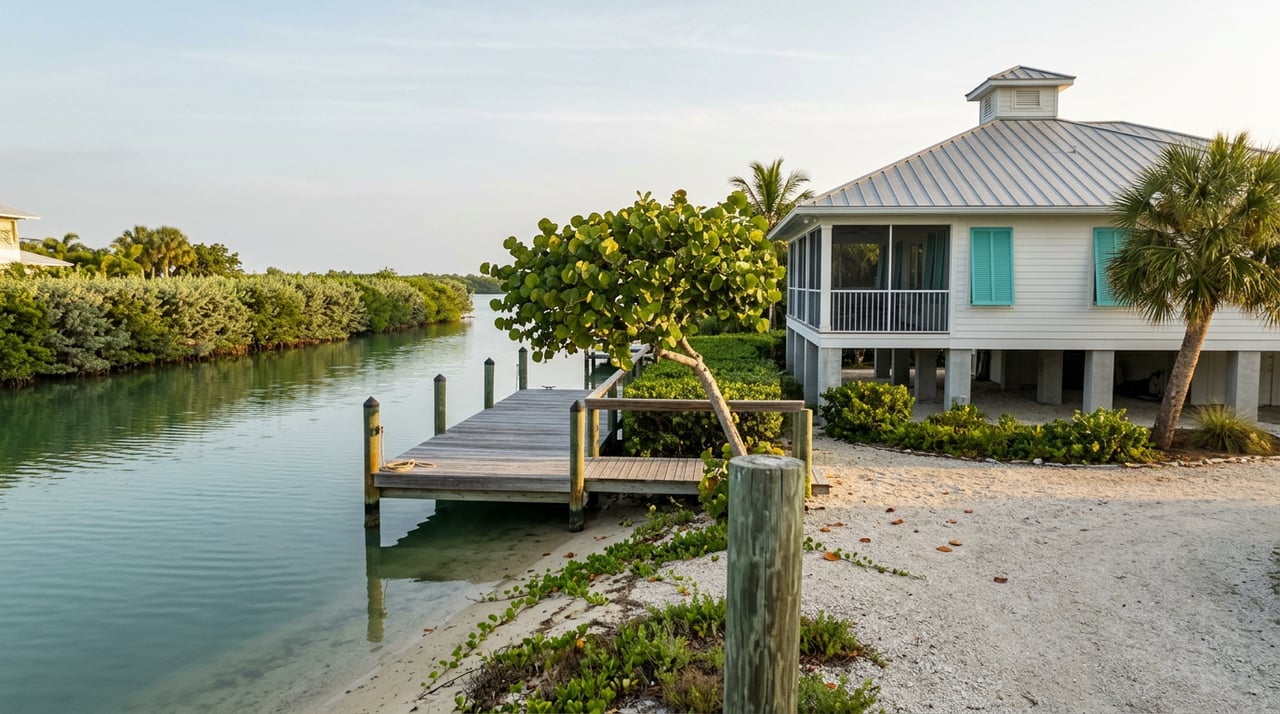
Luxury buyers are often purchasing a vision of daily life as much as the home itself. In Key West, that story can include the rhythm of the historic district, the appeal of outdoor living, and the ease of getting around a place known as somewhat walkable and very bikeable. Those details support a lifestyle narrative without leaning on hype.
The key is to tie lifestyle back to the property itself. A wide porch, breezy shutters, and an easy indoor-outdoor flow are not just aesthetic talking points. They help a buyer imagine mornings, evenings, and entertaining in a home that feels deeply rooted in Key West.
Why presentation matters at the luxury level
Historic luxury homes benefit from editorial-style marketing because buyers respond to curation. High-end imagery, refined copy, and a cohesive presentation can help your property feel distinctive in a balanced market. For a home with heritage value, the marketing should feel as considered as the home itself.
That is where a boutique luxury brokerage can make a meaningful difference. Ocean Sotheby’s International Realty is a Florida Keys brokerage with offices in Islamorada, Marathon, and Key West, and the Sotheby’s name gives listings worldwide recognition and access to a highly qualified global clientele. For a historic Key West residence, that combination of local knowledge and global exposure can help connect your home with the right audience.
What affluent buyers want to see
The most effective marketing package for a historic Key West home often includes more than standard listing materials. It should present the home as a complete story, supported by documentation and polished visual assets.
A luxury campaign may emphasize:
- Professional photography that captures architectural detail
- A story-driven brochure or custom presentation
- Clear timelines of restoration and approvals
- Property copy centered on provenance and craftsmanship
- Accurate notes on legal use rights and preservation considerations
This style of presentation aligns with how many affluent buyers evaluate distinctive properties. They want beauty, but they also want context.
Position your home for the right buyer
The best buyer for a historic Key West luxury home is often looking for something enduring, not interchangeable. They may value legacy ownership, architectural integrity, and a home that feels specific to its setting. Your marketing should speak to that mindset by showing not only how the home looks, but why it deserves attention.
When you combine authentic storytelling, careful documentation, and a realistic market strategy, you give buyers a stronger reason to engage. That is often what turns interest into action in a market where even exceptional homes need thoughtful positioning.
If you are preparing to sell a historic home in Key West, a bespoke strategy can make all the difference. Request a home valuation and customized marketing plan from Ocean SIR.
FAQs
What makes a historic Key West home appealing to luxury buyers?
- Luxury buyers are often drawn to authentic architecture, documented history, original or restored character details, and a lifestyle rooted in Key West’s historic setting.
What approvals matter when selling a historic home in Key West?
- In Key West historic districts, many exterior changes require a Certificate of Appropriateness through the city, and individually listed properties may also need review for certain interior changes.
What architectural features should a historic Key West listing highlight?
- Marketing should focus on factual details such as porches, shutters, wood siding, trim, columns, balustrades, and roof form, especially when those elements are original or thoughtfully restored.
What should sellers disclose about renovations to a historic Key West home?
- Sellers should clearly document what work was completed, what was approved, which features are original or replaced, and what future changes may still require city review.
Can a historic Key West home be marketed for short-term rental income?
- Only if the property’s rental use is properly licensed and confirmed, since Key West defines transient lodging as stays of less than 30 days or one calendar month.
Why does luxury marketing matter for a historic Key West listing?
- In a balanced market, strong pricing, polished presentation, and a story-driven campaign can help a historic home stand out and attract qualified luxury buyers.