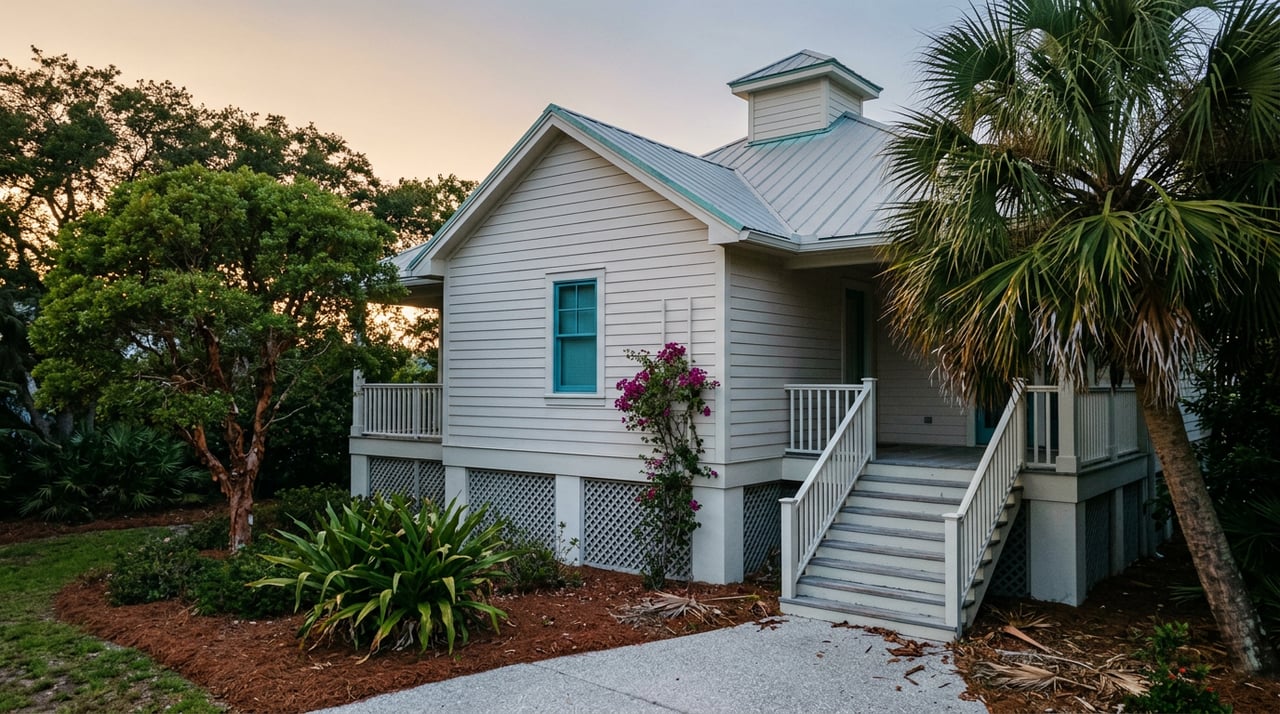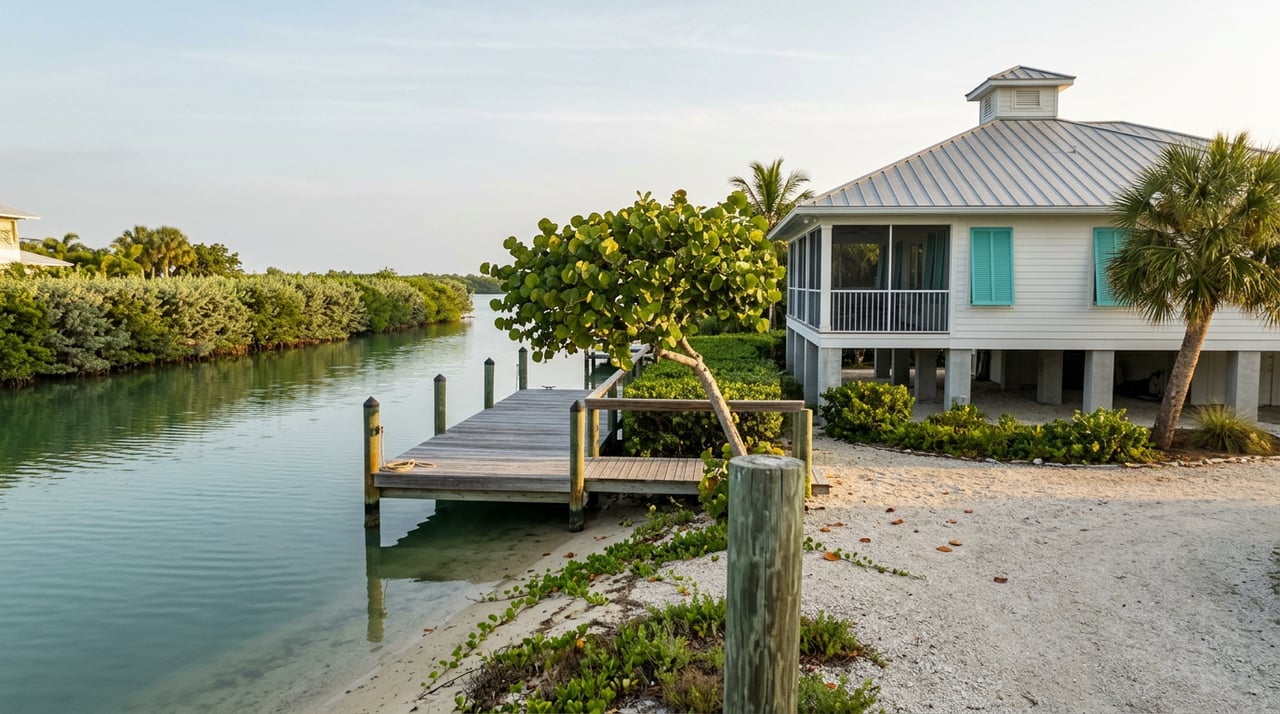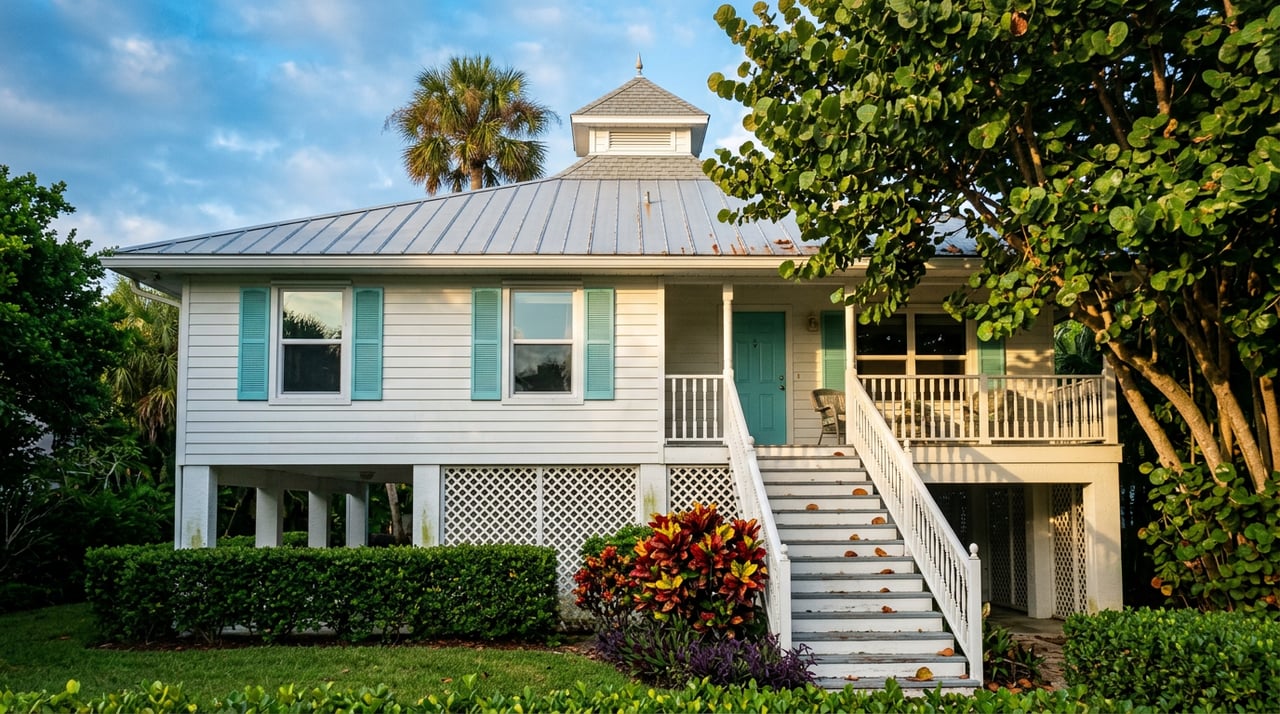
A seller in Key Largo pulls out a wind mitigation report from 2019 to hand to a buyer's insurance agent. The roof has hurricane straps. The windows are impact-rated. On paper, nothing about the house has changed since that inspection. But the buyer's quote comes back higher than either side expected, and the closing timeline slips while everyone tries to figure out why a house with the right features isn't getting the right credit.
The house didn't change. The form did.
Florida's Office of Insurance Regulation rolled out a revised wind mitigation inspection form, OIR-B1-1802, effective April 1, 2026. It asks for more than the old version did: photos, product approval numbers, and permit documentation for features like roof-to-wall connections and opening protection that used to pass with a simple checkbox. Insurers didn't start applying credits based on the new form until July 2026, which left a narrow window where homes were being inspected under new, stricter standards but the savings hadn't caught up yet. That window has closed. What hasn't closed is the gap between homes with a current, fully documented report and homes still running on paperwork from three, five, or ten years ago.
In Key Largo, where insurance is one of the largest line items a buyer will carry, that gap is worth understanding before you list or before you waive an inspection contingency.
Why the Paperwork Date Matters More Than the Roof Date
Insurance doesn't transfer with the deed. When a Key Largo home changes hands, the buyer has to bind a new policy, and that means a fresh underwriting look at whatever wind mitigation documentation exists on the property. A seller's decade-old report, done under the previous form, may accurately reflect a hardened home and still fail to produce the full credit a current inspection would generate, simply because it doesn't contain the level of verification insurers now require.
That's the friction. Not whether the home is built to code. Whether the file proves it in the format underwriters are actually reading in 2026.
The inspection itself is a modest cost, typically $95 to $150, and the resulting report stays valid for up to five years unless something structural changes. For a home with full opening protection, meaning every window, exterior door, and garage door is impact-rated or covered by approved shutters, a documented inspection can generate premium reductions in the range of $2,000 to $5,000 or more per year specifically in the Keys, where hurricane exposure drives a large share of the bill. That's not a rounding error on a mortgage payment. It's a number that shows up in a buyer's affordability math at the exact moment they're deciding whether to move forward.
The Timeline Behind the Gap
| Date | What Happened |
|---|---|
| April 1, 2026 | Revised wind mitigation form (OIR-B1-1802) takes effect, requiring enhanced documentation for roof, opening protection, and roof-to-wall connection credits |
| June 1, 2026 | Citizens Property Insurance's 2026 rate order takes effect statewide, including Monroe County's first rate reduction since 2015 |
| July 2026 | Insurers begin applying premium credits tied to the new form's documentation standards |
Reports completed under the old form before April 1 can still be valid for up to five years depending on the carrier, provided nothing about the structure has changed. But an old report and a new report aren't interchangeable in what they can prove, and a buyer's insurer is working from whatever is on file at the time they underwrite the new policy, not from an assumption that the house is fine because it sold for a good price.
What This Looks Like in Actual Dollars
Monroe County carries the highest average homeowners insurance premium in Florida, a distinction that shapes almost every closing in the Keys. Against that backdrop, Citizens Property Insurance's 2026 rate filing delivered something Monroe hadn't seen in over a decade: a rate cut. More than 1,000 Monroe County homeowners are seeing an average reduction of 11.3 percent, and over 8,000 wind-only policies are seeing either a reduction or no increase at all, effective with the June 2026 rate order.
That's genuinely good news for anyone carrying a Citizens policy in Key Largo right now. But a statewide rate cut and a wind mitigation credit are two different levers. The rate cut moves the baseline for everyone. The wind mitigation credit only pays out for the household that can document it, and only against the windstorm portion of the bill, which typically runs 30 to 50 percent of the total premium. A homeowner sitting on an outdated or incomplete report is leaving part of that 2026 relief on the table even as their neighbors see it show up automatically.
Governor Ron DeSantis's office framed the broader reduction as evidence that Florida's insurance market is stabilizing after years of litigation-driven premium spikes, and that stabilization is real. It just doesn't apply itself. Someone still has to schedule the inspection and put the documentation in the file.
Why Key Largo Feels This More Than Some Other Keys
Key Largo sits closest to the mainland of any of the islands, which in practice means shorter lead times for contractors doing hurricane-hardening work like impact window installation. That logistical advantage matters here because the housing stock is genuinely mixed: modest canal and inland homes sit blocks away from luxury oceanfront and bayfront properties, often on the same road. Both ends of that spectrum are built to the same baseline. Monroe County's building code requires design wind speeds of 170 to 190 miles per hour under the current Florida Building Code, among the highest standards in the state, which means most Key Largo homes already have the bones to qualify for strong wind mitigation credits. The question is whether that's been verified on paper since the standards changed.
For a seller with a higher-value waterfront property, where the total premium is larger and the windstorm slice of it is a bigger absolute number, an outdated report has a bigger dollar cost attached to it. For a buyer comparing a modest inland home to a canal-front property, the wind mitigation status of each can meaningfully shift which one pencils out once insurance is added to the monthly number.
Before You List or Waive the Inspection Period
- Check the date on the current wind mitigation report, not just whether one exists. Anything completed before April 1, 2026 was done under the old form and may not carry full documentation for the highest credit tiers.
- If the home has had roof, window, or door upgrades since the last inspection, a new report will likely capture credits the old one couldn't, regardless of which form it was done under.
- Ask the buyer's insurance agent directly whether their carrier is applying new-form credits yet, since some carriers moved faster than others after the July 2026 rollout.
- Don't assume flood insurance and wind mitigation are the same conversation. They're separate policies and separate paperwork, and a strong wind mitigation report does nothing for a home's flood zone rating or elevation requirements.
- Build the inspection cost into pre-listing prep, not into post-closing cleanup. A $95 to $150 inspection completed before a home goes on the market gives a seller a documented number to point to, rather than a promise that the house "should" qualify.
A Short FAQ
Does a new wind mitigation inspection cost the seller or the buyer? Either party can order one, and it's common for a seller to complete it before listing so the report is already in hand when a buyer's insurance agent asks for it.
If my current report is only two years old, do I need a new one? Not necessarily. A report done under the old form can still be valid, but it may not reflect the documentation standards insurers are now using to calculate the highest credit tiers, especially for opening protection.
Does this affect Citizens policies differently than private carriers? The wind mitigation credit structure applies broadly across carriers, but how quickly each insurer implemented the new form's credit tables varied. Citizens' 2026 rate order and the wind mitigation form update are related but separate actions.
Will this change flood insurance requirements in Key Largo? No. Flood coverage is governed by FEMA flood zone designation and elevation certificates, which is a different conversation entirely from wind mitigation.
An outdated wind mitigation report doesn't show up on a home inspection checklist and it won't appear in a listing photo. It shows up three weeks before closing, when a buyer's insurance quote lands higher than the pro forma assumed and someone has to explain why. In a market where Monroe County premiums are already the highest in the state, that's not a detail worth leaving to the paperwork in the file cabinet.
If you're weighing a Key Largo listing or an offer and want a clear-eyed read on how insurance documentation could affect your timeline or your net proceeds, Ocean SIR can help you get ahead of it before it becomes a closing-table surprise. Request a Home Valuation to start the conversation.