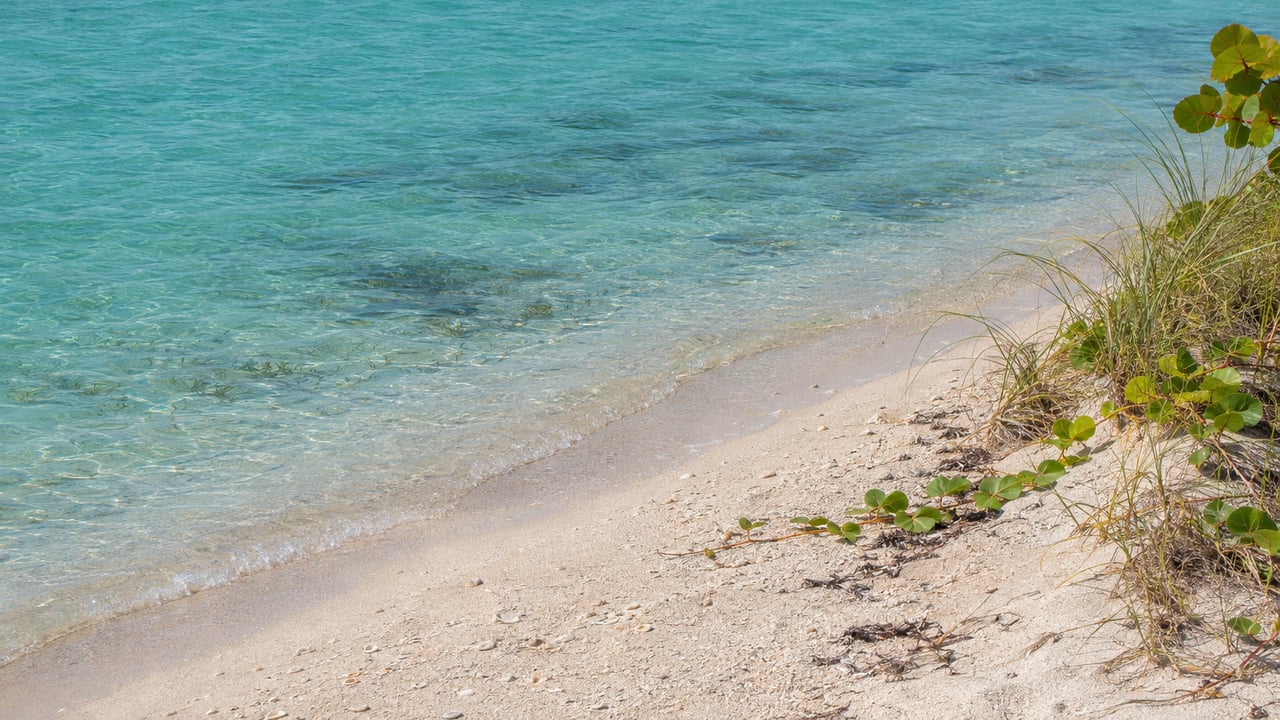
Sombrero Beach sits at the southwestern tip of Vaca Key at the end of Sombrero Beach Road, and it faces the Atlantic. Waves out of the east and southeast don't reach it head-on, so the sand drifts slowly east along the shore and into a canal on Tingler Island. Because of that steady drift, the Florida Department of Environmental Protection lists Marathon's best-known public beach as a 0.3-mile segment of critically eroded shoreline in its May 2023 strategic beach management plan for the Keys.
If you're bringing family down to the sand this Thanksgiving weekend, you'll be on a beach that has been patched after storms for more than twenty-five years. The city's next project is meant to do more than patch.
Where the Sand Goes
The FDEP plan names two ways Sombrero loses sand. Storm surge pushes it inland over the beach, and everyday currents carry it east into the Tingler Island canals. Private owners on Tingler Island have built impermeable docks and groins, and the state expects those structures to slow some of the loss into the canals.
The drift explains why repairs here don't last. Sand placed on this beach doesn't stay where it was put. The steady eastward movement wears away a little at a time, and every big storm takes a larger amount at once.
A Quarter Century of Putting It Back
FDEP's account of the park starts with Hurricane Georges in 1998. Its storm tide flooded the park and pushed sediment inland, and the damage to park facilities was major. The city redeveloped Sombrero Beach in 2001, designing it for accessibility, and the pavilions, playgrounds, volleyball courts, restrooms, outdoor showers and shade that families use today come from that rebuild.
In 2005, Hurricanes Rita and Wilma together caused minor to moderate erosion of the beach and dunes, and Wilma also damaged much of the park's infrastructure. A beach management plan followed in 2008, paid for with hurricane recovery funds.
Tropical Storm Isaac brought the next round. To repair its damage, a FEMA dune project placed 1,064 cubic yards of sand in March 2014 and replanted the dunes. The work was sized to fix one storm's damage.
Hurricane Irma hit the area severely in 2017. The recovery reused what the storm had moved. Crews collected the sand Irma's surge had pushed inland, cleaned it and put it back on the beach, then built small dunes 2 to 3 feet high from that overwash and replanted them. Those low, planted dunes are the ones visitors walk past today.
The state's long-term strategy for this shoreline is a maintained beach. It calls for sand trucked in from approved upland sites, laid in a berm above mean high water and held in place with native plants, then monitored over time.
What's Different About the 2026 Plan
Every past project had the same goal: put back what the last storm took. The city's current plan, described in a November 13 Keys Weekly update on Marathon's building projects, aims to push the shoreline farther out and regain some of the beach lost in the last few years. Keys Weekly reports that this makes the project more complex than a typical renourishment.
The plan also looks ahead. According to Keys Weekly, it includes five years of maintenance renourishment to hold the restored shoreline in place. On a beach that loses sand every year to the eastward drift, that follow-up work is the part no earlier project had.
The first money is in place. A March 25, 2026 Monroe County Tourist Development Council District III meeting packet lists $200,000 in fiscal 2026 capital funding for Sombrero Beach renourishment. That money comes from the bed tax visitors pay. The city's grants report for the November 10, 2026 City Council meeting labels it Phase I. As of that report, the city had submitted the executed grant agreement to the TDC, was negotiating the consultant's fee and was gathering report data and permits. The grant pays for design and permitting. Sand on the beach comes later.
Two smaller projects on the same stretch are moving at the same time. Design is underway to improve drainage on the Sombrero Beach Road trail along the curve before the beach. The work will raise the trail and add a stormwater injection well, with construction scheduled for late summer. At the park itself, an information and security office for Parks and Recreation staff is being added to the restroom building east of the main entrance, and it is due to be finished by the end of November.
Why the Dunes Look the Way They Do
Sombrero is a sea turtle nesting beach. From April through October, loggerheads and other species come ashore at night to lay eggs, and trained, state-certified volunteers walk the beach in the early mornings to find and monitor new nests. During those months, small areas around nests may be roped off while the rest of the beach stays open. By Thanksgiving the nesting season is over.
The nesting season also explains the state's method. FDEP's plan calls for trucked sand stabilized with native vegetation rather than a hardened shoreline. In a 2023 Keys Weekly report on a misdirected nest of hatchlings near Sombrero, Save-A-Turtle president Harry Appel told the paper, "We've fought to keep natural beaches, and to not block nesting areas." In the same story, Turtle Hospital manager Bette Zirkelbach explained that the hatchlings had used up their energy crossing land when they should have been swimming toward the Gulf Stream. A wider beach that pushes the waterline seaward gives nesting turtles more dry sand to work with, and a planted berm keeps that sand natural.
The Beach This Holiday Season
The park is open daily from 7 a.m. to dusk. Under the city's posted rates, parking costs $6 an hour for each of the first two hours and $2.50 an hour after that. A four-hour afternoon with visiting relatives comes to $17, and the first two hours alone account for $12 of it. Overnight parking isn't allowed, trailers are towed, and the lot has no designated spaces for RVs or buses. If a guest arrives towing a boat or driving a camper, plan another way to get them there.
The city's parks page says all of Marathon's parks are dog friendly except the Community Park soccer and baseball fields, and it asks that dogs stay leashed and owners pick up after them. For an off-leash run before or after the beach, the renovated dog park at Oceanfront Park, 9805 Overseas Highway behind City Hall, reopened July 15, 2026. It closes for maintenance on the first and third Monday and Tuesday of each month. The pickleball courts behind City Hall now stay open until 8 p.m. under new solar lighting during standard time.
The drive down Sombrero Boulevard passes a few stops worth combining with a beach day. Florida Keys Country Club, at 4000 Sombrero Blvd., is open to the public. While renovations continue, it is playing nine holes, double-pinned so golfers can play eighteen. Yacht Haven Boat Rentals, at 5 Sombrero Blvd. across from Publix, rents boats, kayaks, paddleboards, bicycles and golf carts, which covers guests who arrive without gear. Skipjack Resort & Marina, at 19 Sombrero Blvd., has a 54-slip marina, Blu Bistro and a poolside Tiki Bar. Renovations there began August 17, 2026.
The beach's own calendar picks up again in winter. The Sombrero Beach Run is set for Saturday, February 20, 2027. The Key West Southernmost Runners Club hosts it, and entry fees go to KAIR, which provides food and emergency assistance to Middle Keys residents. Details are on the race's site. If your guests come back in fall, the city has held Trick or Treat at the Beach on this sand two Octobers running. More on the town's recent park work is in our look at Marathon Community Park's new corner, and the wider island is covered on our Marathon neighborhood page.
A beach day at Sombrero is part of what owning a home in Marathon means. If you own near Sombrero Boulevard or elsewhere on the island and want to know where your home stands this season, Ocean Sotheby's International Realty can help. Request a Home Valuation to get started.