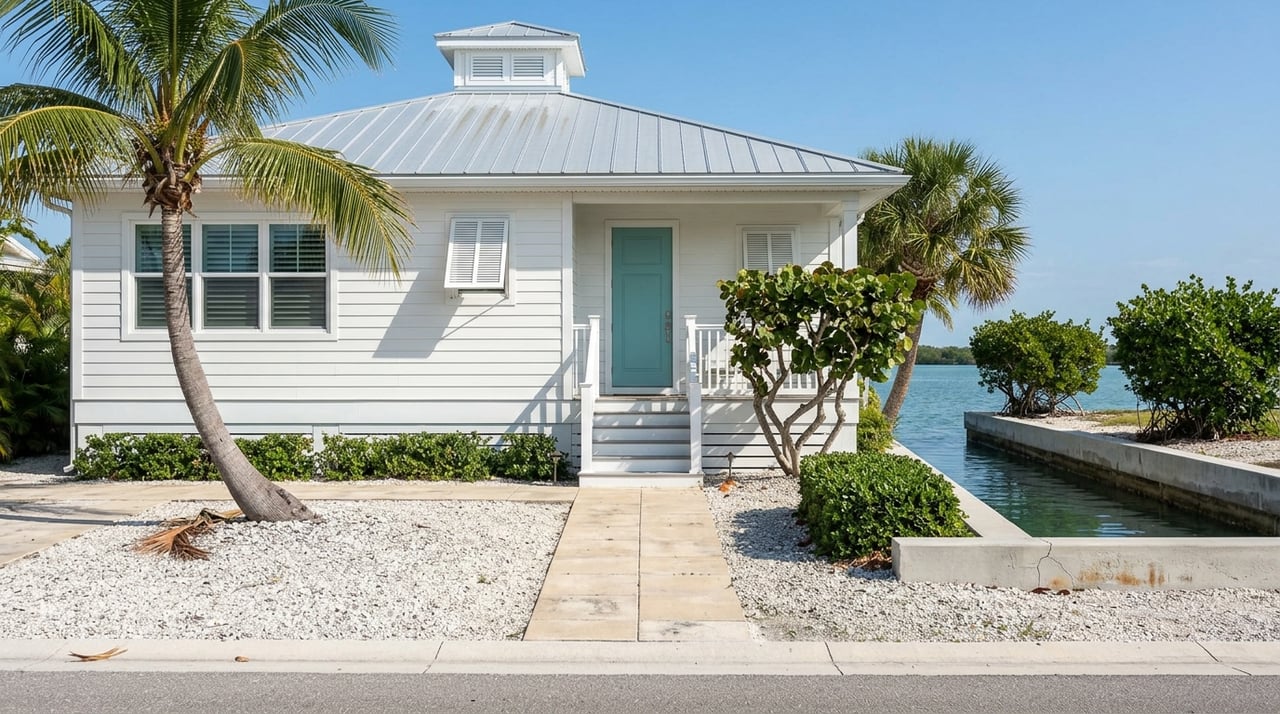
If you are thinking about investing in Key Largo waterfront property, the first question is not just what can I afford. It is what kind of waterfront life am I actually buying into. In Key Largo, canal-front, bayfront, and oceanfront homes can serve very different goals, especially if you care about boating, second-home use, or rental potential. This guide will help you compare those settings, understand the local rules that matter, and invest with a clearer strategy. Let’s dive in.
Why Key Largo Draws Waterfront Buyers
Key Largo holds a unique place in the Florida Keys. Official tourism materials describe it as the first destination in the Keys, with water shaping nearly every part of the local experience. For many buyers, that means easier access from Miami and South Florida airports, along with a setting that feels distinctly island-oriented.
That convenience supports more frequent use than you might expect from a resort market. Monroe County visitor data shows Key Largo averaged 2.0 nights in the 2025 annual visitor profile, compared with 4.2 nights across the Keys overall. The same report found that 74.7% of visitors came for recreation or vacation, and 48% said their main purpose was to relax and escape.
Those patterns matter if you are buying a second home or evaluating long-term demand. Key Largo benefits from repeat leisure travel, quick getaways, and a waterfront lifestyle that appeals to both personal use and destination-driven ownership. NOAA also notes that ocean recreation and tourism support more than 33,000 jobs and 58% of the local economy, which shows how deeply waterfront access is tied to the region.
Key Largo Is Not One Waterfront Market
A smart investment approach starts with a simple idea: Key Largo is not a single waterfront product. It is several different waterfront use cases, each with its own advantages and tradeoffs. Your best fit depends on how you plan to use the property.
For some buyers, private dockage and easy boating access come first. For others, broad water views, backcountry fishing access, or reef proximity are more important. That is why comparing canal-front, bayfront, and oceanfront settings is often more useful than looking at price alone.
Canal-Front for Boat Convenience
Canal-front property is often the most practical choice if your priority is keeping a boat at home and getting on the water with less hassle. In many cases, this setting appeals to buyers who want a residential environment with private dockage and day-to-day boating convenience.
Still, not all canals function the same way. Monroe County maintains a canal restoration tool that tracks canal name, depth, and ranking, which is a useful reminder that canal utility can vary significantly from one property to the next. If boating is central to your plan, usable dockage should be verified property by property.
Bayfront for Views and Backcountry Access
Bayfront homes often appeal to buyers who value wide-open water views and west-side exposure. This side of Key Largo aligns naturally with access to Florida Bay and the Everglades backcountry, which official tourism materials highlight for fishing and nature-based recreation.
If your ideal ownership experience includes quieter water, scenic sunsets, or fishing-oriented use, bayfront may feel especially compelling. It can offer a different rhythm from the reef side of the island, with a lifestyle shaped more by broad vistas and backcountry access than by direct ocean recreation.
Oceanfront for Reef-Oriented Lifestyle
Oceanfront property is the clearest match for buyers who want close access to the Atlantic side and the iconic marine experiences that make Key Largo famous. Official sources point to John Pennekamp Coral Reef State Park, the Christ of the Abyss statue, the Spiegel Grove wreck, and NOAA’s Key Largo Management Area as major draws.
The state park brochure identifies Pennekamp as the first undersea park in the United States, which adds to the area's distinct identity. If you are drawn to snorkeling, diving, and proximity to reef waters, oceanfront property may offer the strongest lifestyle alignment.
Matching the Property to Your Investment Goal
Before you focus on finishes, square footage, or even views, define your main use case. A waterfront purchase in Key Largo works best when the location and frontage type match the role the property will play in your life or portfolio.
If you want a frequent-use second home, Key Largo’s location can be a major advantage. As the first stop in the Keys and an easy drive from Miami, it supports quick personal trips and shorter stays more naturally than a farther-down-island location might.
If you want a property with income potential, your analysis should go beyond demand and get very specific about legality and operations. Monroe County’s visitor profile shows meaningful lodging spend, with lodging accounting for nearly 47% of average trip spending. That supports the idea that accommodations are a central part of the visitor economy, but it does not mean every property can be used the same way.
Vacation Rental Rules Matter More Than Many Buyers Expect
In Key Largo, rental strategy starts with zoning and county rules. Monroe County’s Special Vacation Rental Program states that not all areas in unincorporated Monroe County allow short-term rentals. The county defines a special vacation rental as a tenancy of less than 28 days.
The county also states that short-term vacation rental use is prohibited in Improved Subdivision, Urban Residential Mobile Home, and IS-M districts. Where vacation rentals are allowed, owners must meet county requirements that include an annual permit, a licensed manager, 28-day minimum advertising language, and a business tax license. The permit is nontransferable, so a new owner must obtain a new permit.
For investors, this means a beautiful waterfront home is not automatically a flexible rental asset. The legal use of the property may shape your strategy more than the shoreline category itself. Before you underwrite income potential, confirm whether the property supports the lease structure you have in mind.
Flood Risk and Insurance Need Early Review
Any waterfront purchase in the Florida Keys should include a serious look at flood exposure. Monroe County notes that the low-lying elevations of the Florida Keys create flood risk, and the county advises buyers to review flood zones and permitting history before buying or building.
The county also warns that preliminary coastal flood maps may change future elevation standards and insurance requirements or costs. That makes flood-zone review more than a routine checklist item. It is a core part of understanding future carrying costs and long-term ownership planning.
If you are comparing multiple properties, flood and elevation variables can materially affect the total cost of ownership. Two homes with similar views or dockage may present very different insurance and improvement considerations.
Dockage and Water Access Can Change Value Fast
In many Key Largo neighborhoods, the practical value of waterfront property comes down to how usable the water access really is. A property may look ideal on paper, but if the canal depth, dock setup, or boating access does not fit your vessel and usage, the investment case can change quickly.
Monroe County’s canal data is especially useful for canal-front buyers because it reinforces how site-specific these properties are. A home may offer direct frontage, but the details of depth and access still need to align with your boating plans.
Private shoreline access also matters because public access is limited. In the Key Largo Community Master Plan, Monroe County noted that neighborhood parks in platted subdivisions often provide water access, while several county roads terminate at the shoreline and provide limited public access to the ocean and bay. That helps explain why private docks, homeowner amenities, and direct water usability can carry outsized value.
What the Local Housing Mix Suggests
Key Largo’s tourism economy points to a broad range of waterfront living formats. Official materials describe a lodging mix that includes classic motels, waterfront inns, private vacation rentals, and luxury resorts.
For buyers, that supports a residential landscape that can include elevated single-family homes, condominium or resort-style residences, and estate-scale properties. In other words, your waterfront investment opportunity may not be limited to one product type. The best fit depends on whether you value low-maintenance ownership, dock-focused utility, or a more expansive legacy property.
A Simple Framework for Investing Smarter
If you want to evaluate Key Largo waterfront neighborhoods more clearly, use a practical framework before making offers.
- Start with use case: decide whether your priority is personal second-home use, boating convenience, reef access, or rental income.
- Match the frontage type: canal-front often fits dock-and-boat convenience, bayfront often fits scenic calm and backcountry access, and oceanfront often fits reef-oriented lifestyle goals.
- Confirm rental legality: verify whether the property is eligible for vacation rental use or limited to 28-plus-day leasing.
- Review flood and permitting history: check flood zones, elevation considerations, and county guidance that may affect insurance or future upgrades.
- Test the dockage: confirm canal depth, dock usability, and practical water access for your actual boating needs.
- Look beyond the view: consider whether HOA, condo, permit, or land-use rules shape the strategy more than the frontage itself.
A disciplined approach can help you avoid buying the wrong kind of waterfront for your goals. In Key Largo, the best investment is usually the one that fits your intended use with the fewest surprises.
Whether you are searching for a canal-front boating property, a bayfront retreat, or an oceanfront residence near the reef, local context matters. The team at Ocean SIR can help you evaluate Key Largo waterfront opportunities with a more tailored, property-specific lens.
FAQs
What makes Key Largo different from other Florida Keys waterfront markets?
- Key Largo benefits from easier access from Miami and South Florida, a short-stay leisure market, and strong demand tied to water-based recreation, second-home use, and destination travel.
What does canal-front property mean in Key Largo?
- Canal-front property in Key Largo is often best suited to buyers who want private dockage and convenient boating access, but canal depth and usability should be verified for each specific property.
What does bayfront property offer in Key Largo?
- Bayfront property in Key Largo generally appeals to buyers who want broad water views, west-side exposure, and access to Florida Bay and backcountry fishing areas.
What does oceanfront property offer in Key Largo?
- Oceanfront property in Key Largo is usually the strongest fit for buyers who want reef proximity, diving, snorkeling, and access to the Atlantic-side marine lifestyle.
Can you use any Key Largo waterfront home as a short-term rental?
- No. Monroe County states that not all areas in unincorporated Monroe County allow short-term rentals, and properties used for stays under 28 days must meet specific county rules where permitted.
Why is flood review important for Key Largo waterfront buyers?
- Monroe County notes that the Florida Keys’ low-lying elevations create flood exposure, and flood zones, permitting history, and possible map changes can affect insurance requirements and ownership costs.
Why does private dockage matter in Key Largo neighborhoods?
- Private dockage can materially affect value because public shoreline access is limited, and the practical usefulness of a waterfront property often depends on direct, usable water access rather than frontage alone.